

Thematic Velier x DDL

For this new theme, we are going to delve into the genesis of some of the most popular, most legendary rums, but also the most symptomatic of an era during which everything - forever - changed... This multifaceted story will immerse us from the 1990s until 2014 and will take us from Genoa to Georgetown, stronghold of the Demerara Distillers Limited company.
The rums that bring us here have their origins in the 1990s when the young Luca Gargano began importing rums to Italy. The market was then almost non-existent and his already pronounced taste for rum (he was ambassador of Saint-James in the 1970s) pushed him to explore the Caribbean from top to bottom, and to discover a whole universe that he never suspected. Not yet. From visit to visit, he quickly established friendships with numerous producers whose brands he would soon import. What he discovered in Guyana at Demerara Distillers Limited (DDL) would change his perception of rum forever: a rich and meaningful historical past, century-old pot stills, and a man as humble as he was a pioneer: Yesu Persaud, the director at the time.
Demerara rums has existed for several centuries (it was for a long time part of the daily life of the British Royal Navy), but it was not until 1992 that the DDL company finally released its own brand and exported it: El Dorado. Luca will be the first to import it onto European soil and to defend it to its customers. From there a friendship was born between the two men, until a certain day in March 2001…

(NB: No article will be able to cover everything that this gentleman has done for his country and his community and we can only advise you on his biography, or failing that, do some research on the internet).
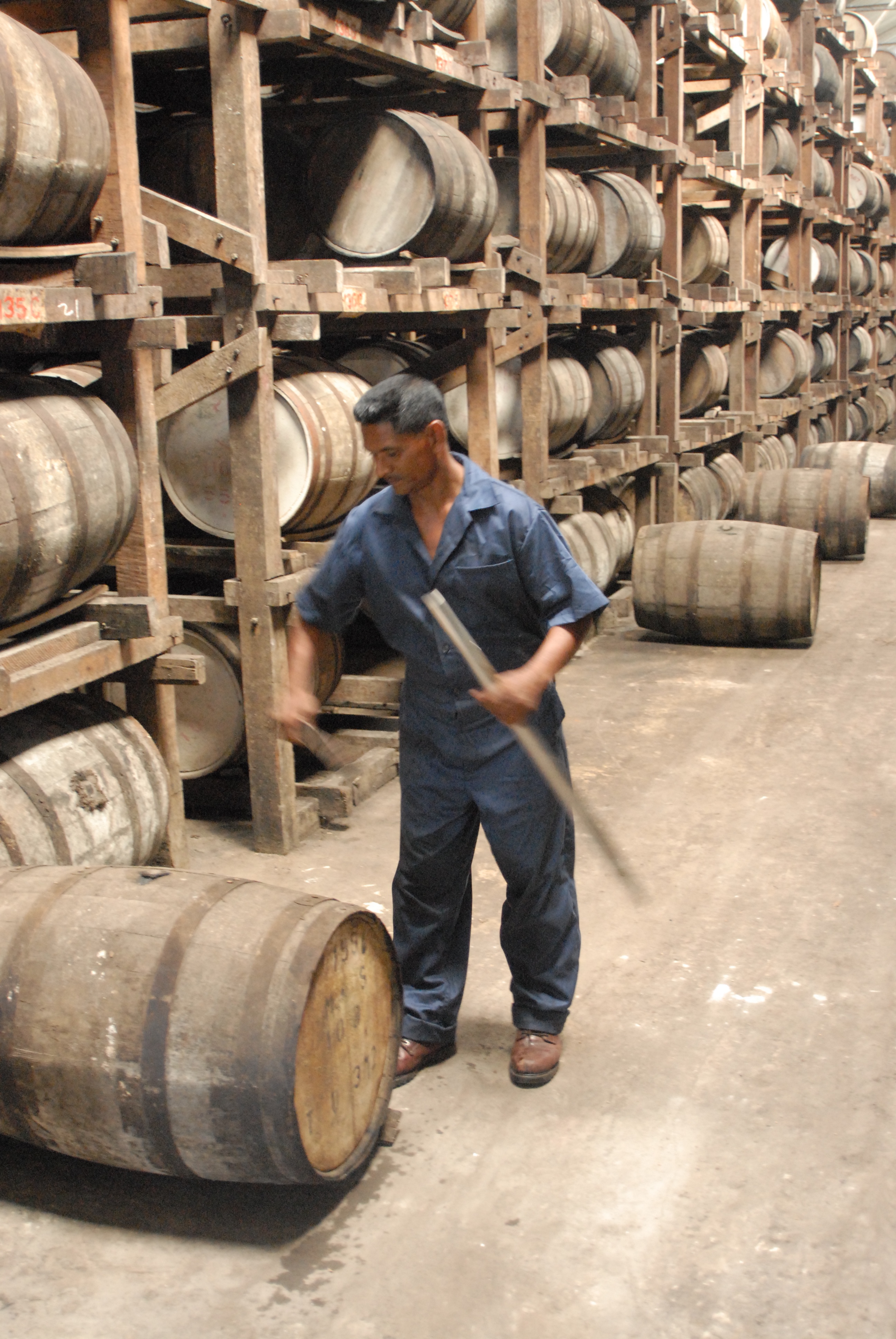
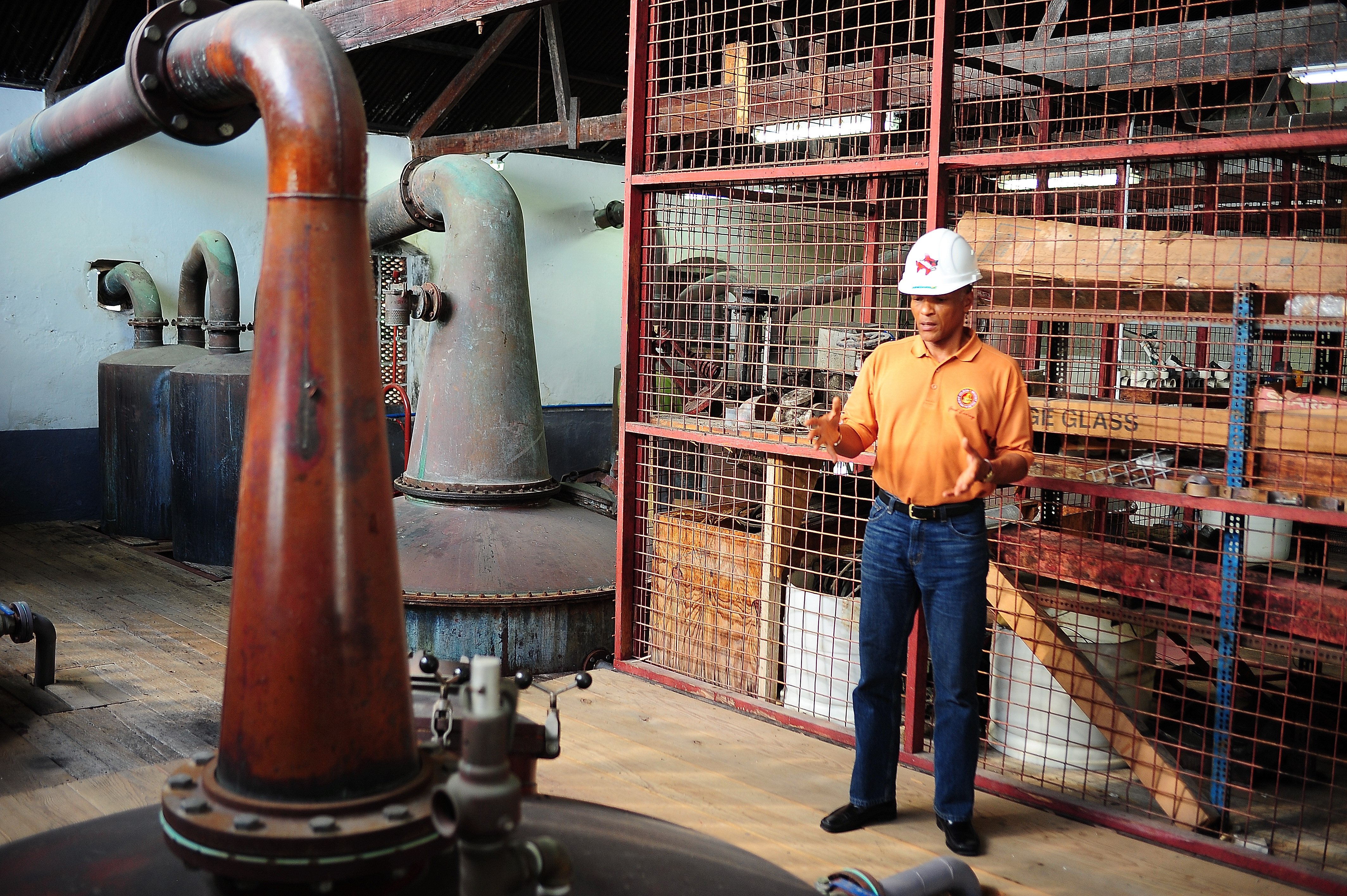
Arriving in Guyana from Caracas on March 3, 2001, Luca went to the Diamond distillery accompanied by George Robinson (director of the place since 1967), with the impression of visiting a museum. The variety - and age - of the stills is dizzying: the double wooden column Coffey from Enmore, the wooden pot still from Port Mourant or even the one from Versailles, there are still some of the oldest stills in the world here. in activity.
Not so long ago, each still was associated with a sugar estate, the Sugar Factories, camped on the banks of Guyana's three great rivers. Over time, they will be centralized and the stills moved, until ending up in the Diamond distillery, the only one still in operation today.
And the Velier “Old Demerara Rum” were...
During one of their meetings, Luca pointed out to Yesu and his team that rums - in principle intended for blending - are starting to be sold as single casks in Europe. Independent bottlers sell Port Mourant or Enmore, aged in Europe far from their place of production and at prices much lower than their El Dorado brand. Luca then suggests to Yesu to release official single casks fully aged in their warehouses, highlighting DDL's historic marks. Yesu initially considers the idea premature, due to the complexity of implementing bottling on site, but accepts that Luca will take care of it. Then begins selections of barrels which will then be sent to the European headquarters of DDL (in Holland, and later in England) to be bottled and marketed... We present them to you below in order of release
1996 & 2000: Before selection
These two series remain separate in the story we tell here, but remain inseparable from the DDL adventure led by Velier and Luca Gargano. The selection is then made on samples - unlike the other Demerara which will come later - and the aging mainly carried out in Europe (if not completely).
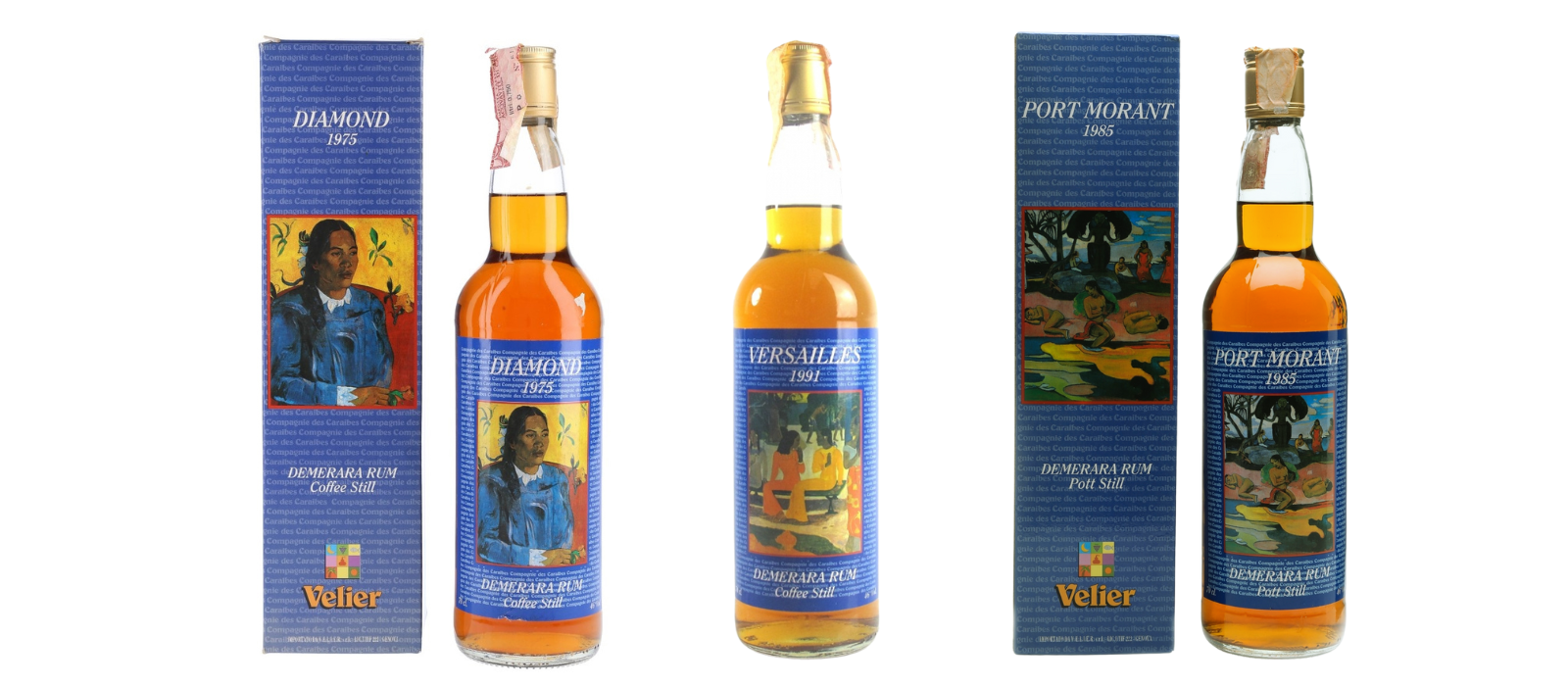
The first series, which we could nickname the Gauguin series (in relation to the paintings represented on the labels) was released in March 1996 and includes three Demeraras bottled by the company Thomson & Company (and all three released at 1200 copies): a Diamond 1975, distilled in July of the same year and bottled 21 years later from barrels #63 and #77. A Versailles 1991, distilled in January and bottled after 5 years (barrels #18 and #20) and a Port Morant 1985, distilled in March and aged for 11 years (barrels #30 and #49). This series will be released at 46 and 40%.

The second pre-DDL series was bottled in November 2000 by the company Breitenstein Products, at the time European headquarters of DDL, which would become Demerara Distillers Europe three years later.
For the record, the labels were made by Luca from paintings and illustrations that you can find in the three-volume encyclopedia "Canne, sucre et rhum aux Antilles et Guyane françaises du XVIIe au XXe siècle" by Alain GRILLON-SCHNEIDER (published by Ponant S.A.).
While the Albion 1983 (17 years old, released in 2749 or 2164 copies) and La Bonne intention 1985 (15 years old, 1467 copies) are offered at a shy 40°, the Enmore 1987 displays a nice 56.6° at counter. Aged for 13 years in a mainly continental climate, like these two friends, there are 2655 bottles sold. Prices oscillated -at the time- between €50 (for the Enmore) and €72 for the other two.
2002: Nomad among the barrels...
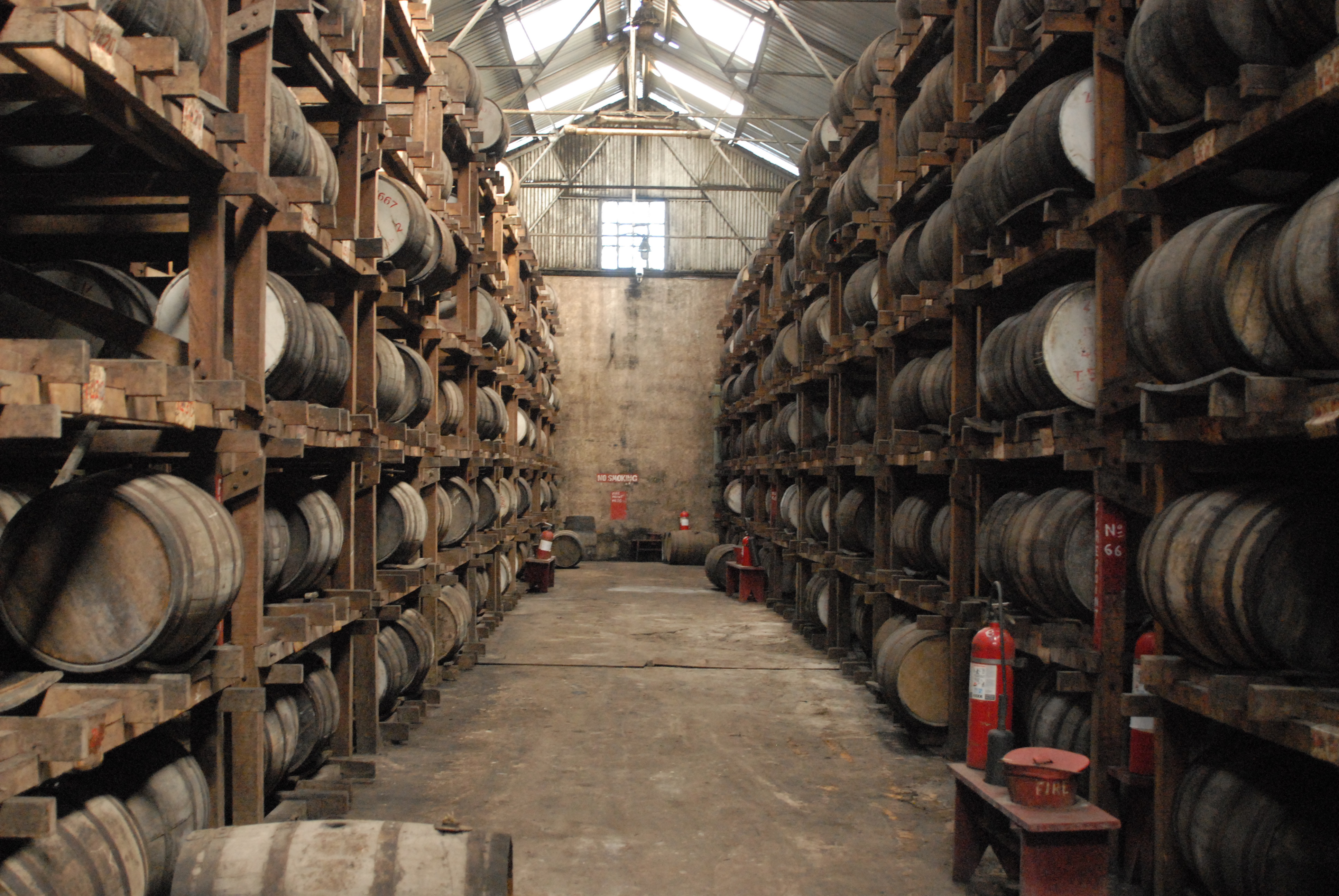
Return to March 2001. On site, Luca gets to work in the DDL warehouses to select the very first barrels. Three barrels already stand out: a Port Mourant 1982, a Diamond 1982 and an Albion 1984, all released the following year. This is how the story of the partnership between Velier and DDL begins... It is also from this moment that the selections will be systematically made on site, in Gorgetown, in Warehouse #1 to be precise.
Not yet ready to market rums with a high alcohol content, Luca decides to offer these Demerara at 46°. It was his girlfriend at the time, Urska, who designed the labels for this very first original selection of Demerara marks entirely aged in the tropics. A first for the time, since all of the independent bottlers who then sold similar rums offered products almost exclusively aged in Europe.
As with most of the bottles we will discuss below, it will take Luca and Velier several years to sell off their stocks. They will mainly be opened and consumed in numerous bars and restaurants in Italy, before subsequently becoming available on the internet via wine merchant sites.
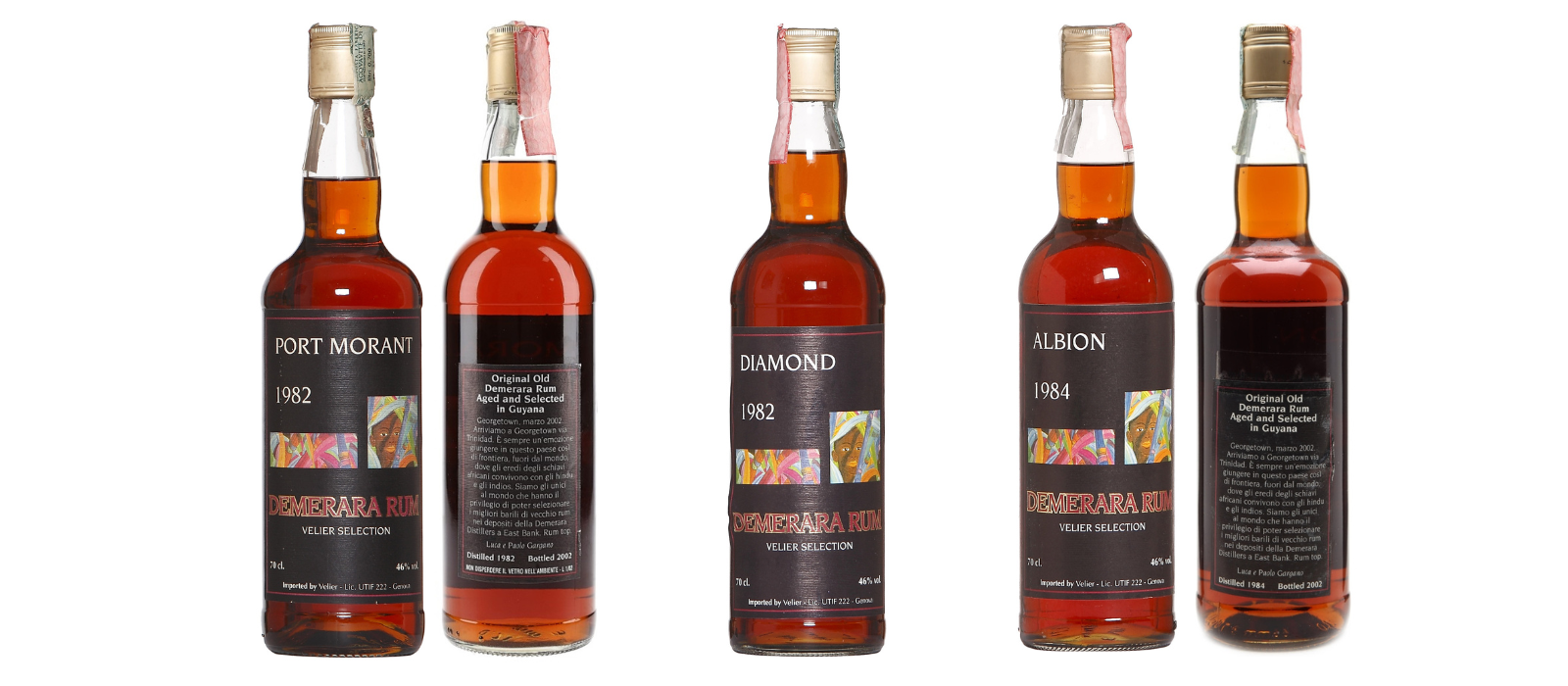
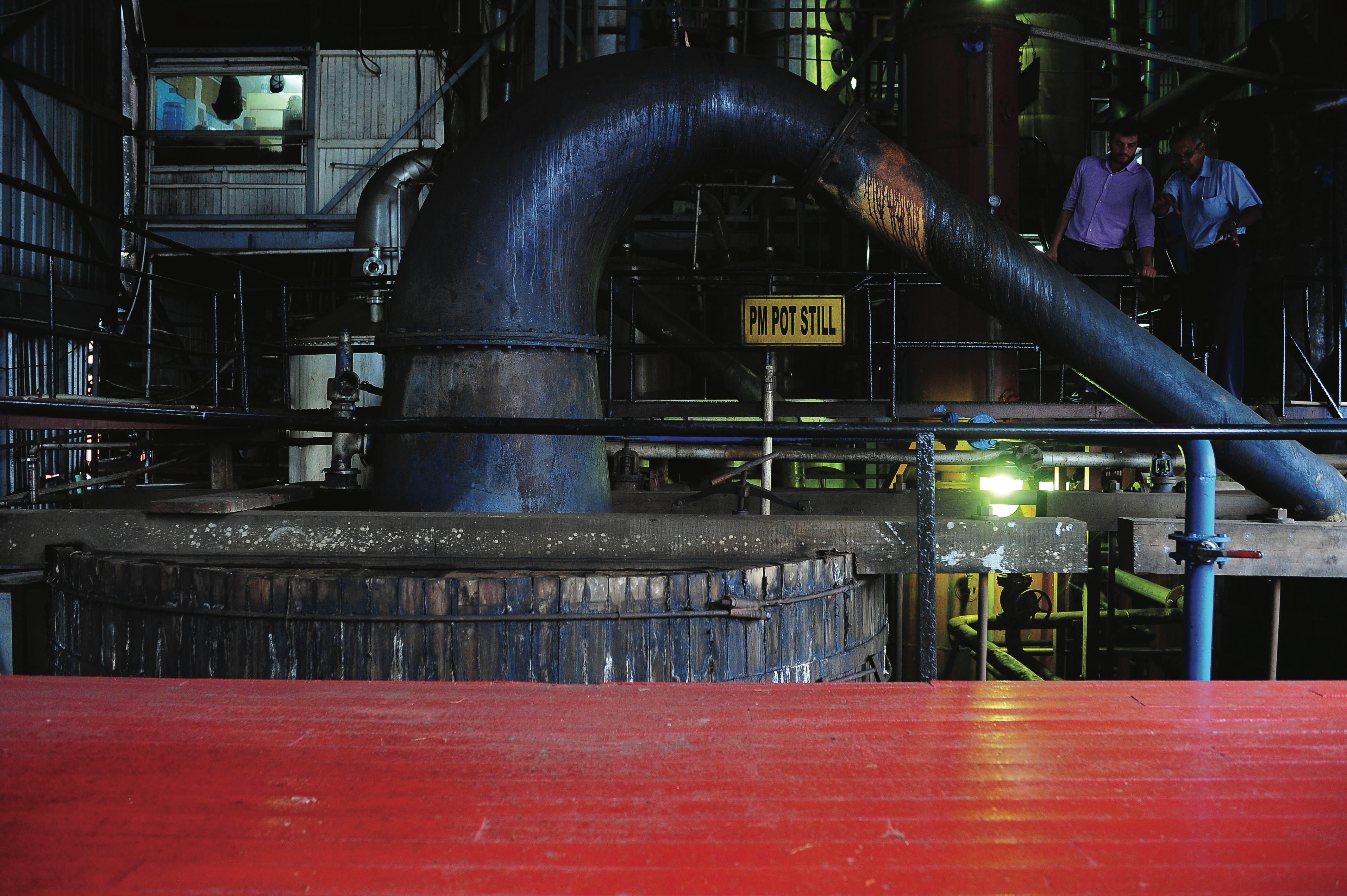
The most assiduous among you will have noted the spelling error very common at the time: Port Morant when it should have been written Port Mourant, from the name of the still and the old distillery which will close its doors in 1950s. A double wooden Pot Still whose manufacture dates back to 1732… A museum piece aged more than 250 years and still in use today. After the closure of the distillery, it was moved to Albion until 1968, then to the Uitvlugt distillery before ending up at the Diamond distillery from 1999. In total, 1,262 bottles of this 20-year-old Port Morant 1982 will be marketed at price of 44€.
The Diamond 1982, of the same age (and price) will yield 773 pins and takes root in the only distillery still in operation today, Diamond. Founded in the 18th century, rum production began there at the beginning of the following century. The Albion plantation, for its part, dates back to 1802 or 1803. It is located on the east coast of the Berbice River, and more precisely on the Corentyne coast, to the west of the old Port Mourant estate. The Albion 1984 marketed in 2002 is 17 years old and 1094 units sold for 33 euros.
2005: A black bottle, a diamond, an unpronounceable name and two Skeldons. And the very first cask strength…
2005 marks the arrival of the Black Bottle at Velier. Exit the old-fashioned, even out-of-date packaging, and make way for the bottle that has become emblematic.
His history? Luca Gargano previously bought his bottles in England but quickly wanted to stand out following his first selections with DDL and Yesu Persaud. It was on this occasion that he thought again of a bottle that had caught his eye in the cellar of an Italian collector in Milan: a bottle of a very old whiskey dating from the 19th century. Without a second thought, he sends his brother Paolo to take a photo of said bottle and launches the production of a special mold. The Black Bottle is born.
And to mark the occasion, in addition to this new opaque bottle, Luca and Yesu will offer fans (of whom there are not yet many) the first cask strenght of their partnership. No more dilution, Luca is finally ready to offer the world an authentic tasting in every way.
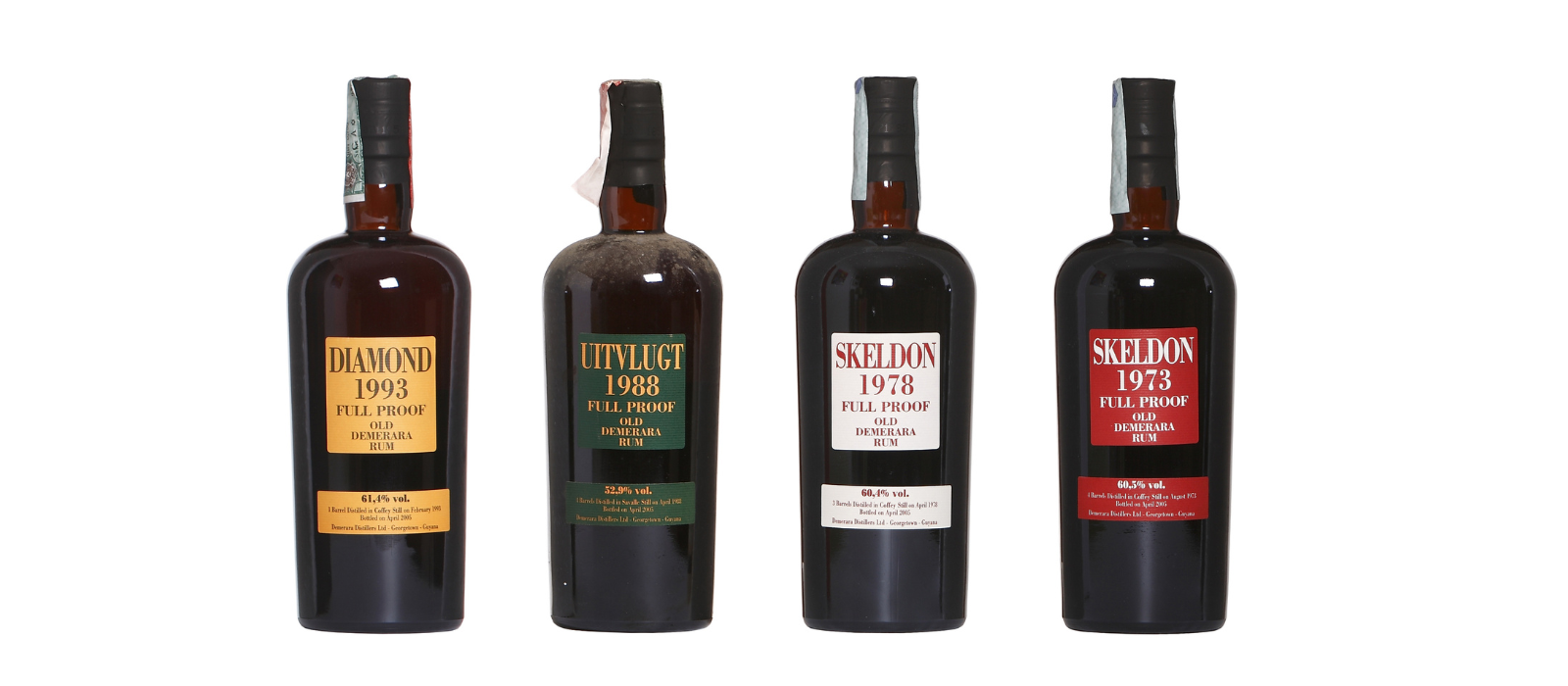
Let's start with the Diamond 1993, undoubtedly the outsider of the lot. Distilled in February 1993 and bottled in April 2005 after 12 years of aging in Guyana, it displays a very impressive (especially for the time) 61.4°; only 266 bottles were bottled from a single barrel. And for those who still wonder how so few bottles can be released from a barrel, the angels will answer you: “hipss”. It is in fact because of their gluttonous appetite (they consume more than 10% of the barrel each year at their best) that there is so little left at the end of the day. DDL practices only very little topping (i.e. the fact of filling the evaporation of a barrel with the same rum drawn from another barrel of the same vintage), the result is a rum with concentration like no other. Marks: <> W, price…49 euros.
Comes the unpronounceable Uitvlugt 1988 (it gives something like “eye-flut”), distilled on a Savalle column and aged 17 years (marks SP-ICBU). It took four barrels to fill 1091 bottles then offered at the price of €57.
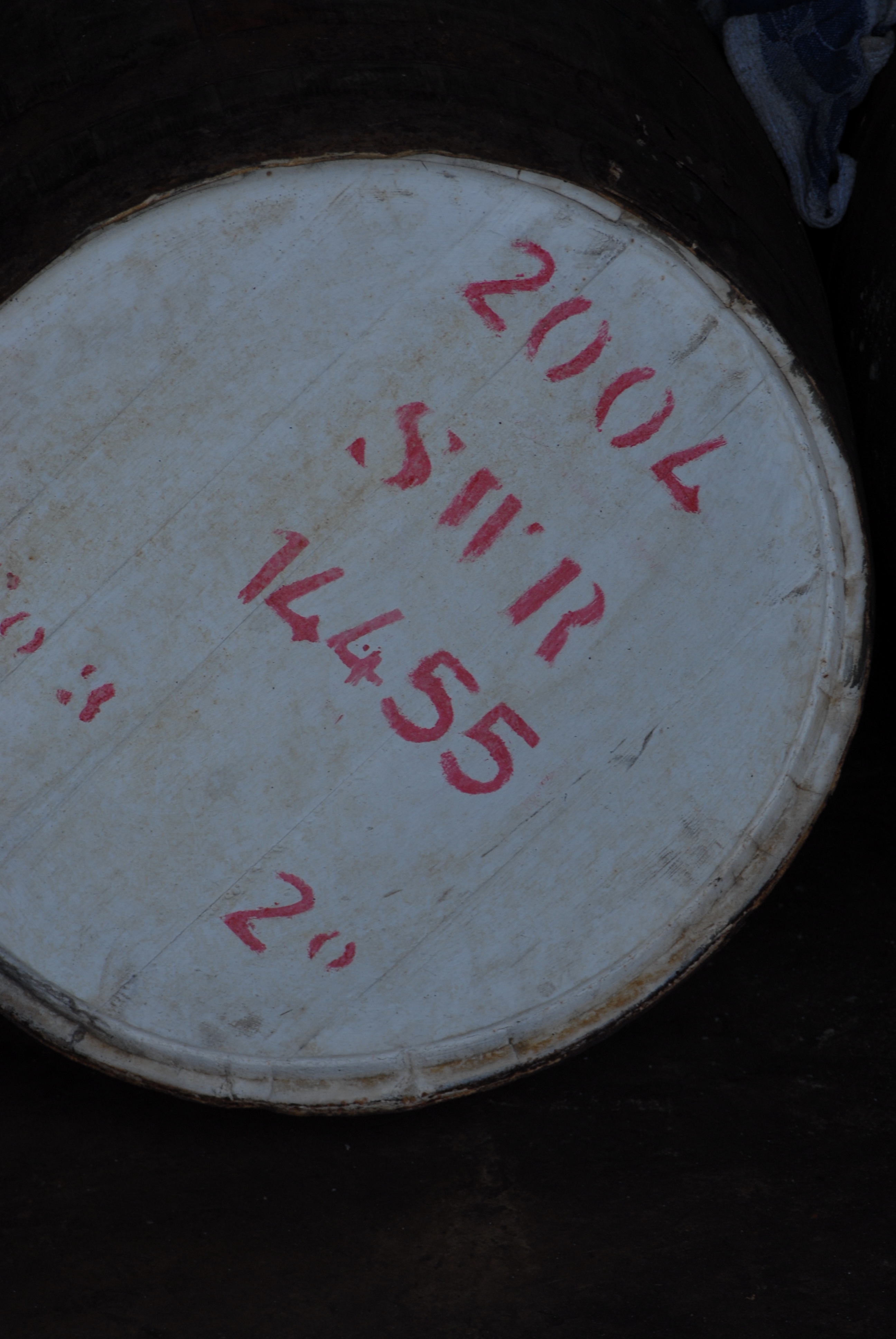
Here we come to the last two Demerara released in 2005, the Skeldon brothers. Both bear the same mark, SWR, named after the plantation owner in 1804 Sir William Russell. And both are among the most popular Demeraras today, far from their €155 at the time. The Skeldon 1973 (544 bottles, most of which have been opened) remains even the oldest Demerara ever bottled by Velier: thirty-two years of tropical aging... A real tour de force when we think of the annual evaporation in Guyana (and in the tropics in general). This rum, distilled in 1973 and bottled in 2006, comes from the blend of four barrels. The cream of the crop so to speak. But among the two Skeldons that will be released that year, the most “authentic” is not necessarily the one we think of… Answers below :))
Four years older, the Skeldon 1978 spent 27 years there before ending its journey in a black bottle, more precisely in 688 of them. Here too, only a few bottles remain today which will have escaped the throats of the lucky ones who will have could, one day, dip their lips into it. It was still necessary to assemble three barrels to achieve this.
2006 : The year of rarities
2006 delivers its share of selections and marks the third collaboration between Luca and Yesu. From the start, the bottlings were considered official releases, with Velier appearing only timidly on the back label. The origin is highlighted, as is tropical aging.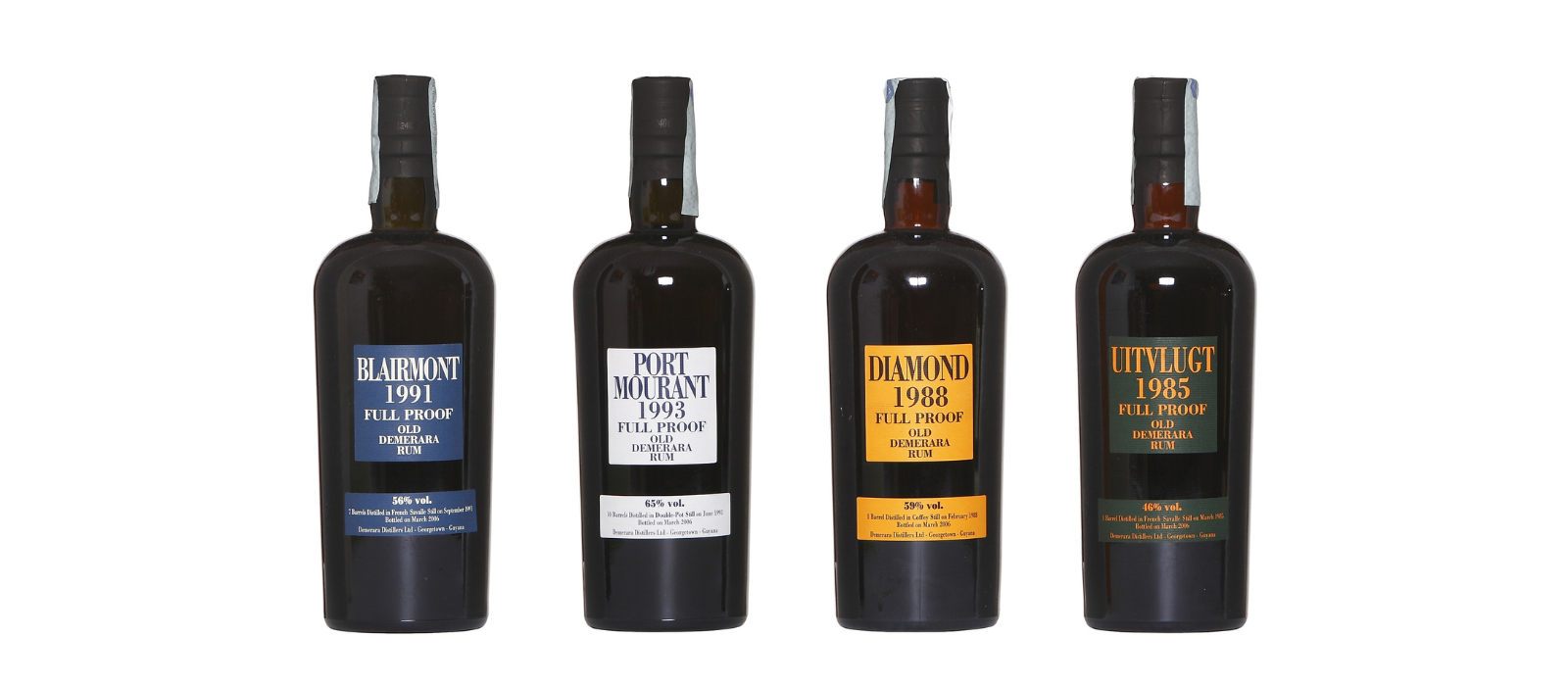
It was also the year of the first Blairmont bottled: a Blairmont 1991 (B marks) aged 15 years and distilled in a French Savalle Still (a Savalle column made in France). Seven barrels will yield a total of exactly 1913 bottles. Originally, the plantation was called Blair Mount and took its name from its founder Lambert Blair. Located on the west bank of the Berbice River, its history dates back to the 1800s (between 1802 and 1834) and the first record of rum production in 1862. It closed a century later.
Let's move on to Port Mourant 1993 which was released the same year in… 2994 copies (marks PM). This is undoubtedly the most accessible Velier Demerara of all, at least in terms of quantity. We find just behind the Enmore 1987 (2655 bottles), but which was released before Luca's official selections at DDL. Distilled in 1993 in the Port Mourant double wooden pot still and aged for 13 years, it still took 10 barrels to take out all these bottles (sold at the time for 57 euros each).
The last two bottlings also have a similarity: they are the two rarest in terms of quantity.
The Diamond 1988 (marks SV) wins the prize for the fewest bottles released with 51 black bottles. Shunned from its marketing, like the majority of bottlings we talk about today, this Diamond 1988 has become a unicorn among unicorns. More for its rarity than its organoleptic qualities, it has undoubtedly become (will become?) the one that will most excite the most fortunate among us. Aged 18 years, it was originally released for around €63. Coming from only one cask (single cask), the angels' share is impressive, even if it does not explain everything. Second rarest Old Demerara Rum, the Uitvlugt 1985 (marks ICBU) and its 71 units. Also coming from a single barrel (imagine what must have been left in it), this 21-year-old rum cost 60 euros, box included.
2007 : The 1998 triplet
Here are three Demeraras from the same vintage - and therefore the same age, 9 years - which also come from single casks bottled in 2007.
That is 266 bottles of an Enmore 1998 (marks EHP), 274 La Bonne Intention 1998 (LBI) and 278 Versailles 1998 (VSG). If we already know the first two, the Versailles is a first: this 1998 was distilled using a wooden Pot Still, at the time when it was at Uitvlugt, the Versailles distillery having closed in 1978. Offered at a fairly easy natural degree of 46.5°, it remains a beautiful gateway into the world of Demerara (like a certain Albion 1983 which we will talk about below).
2008: Eight more and a few continentals
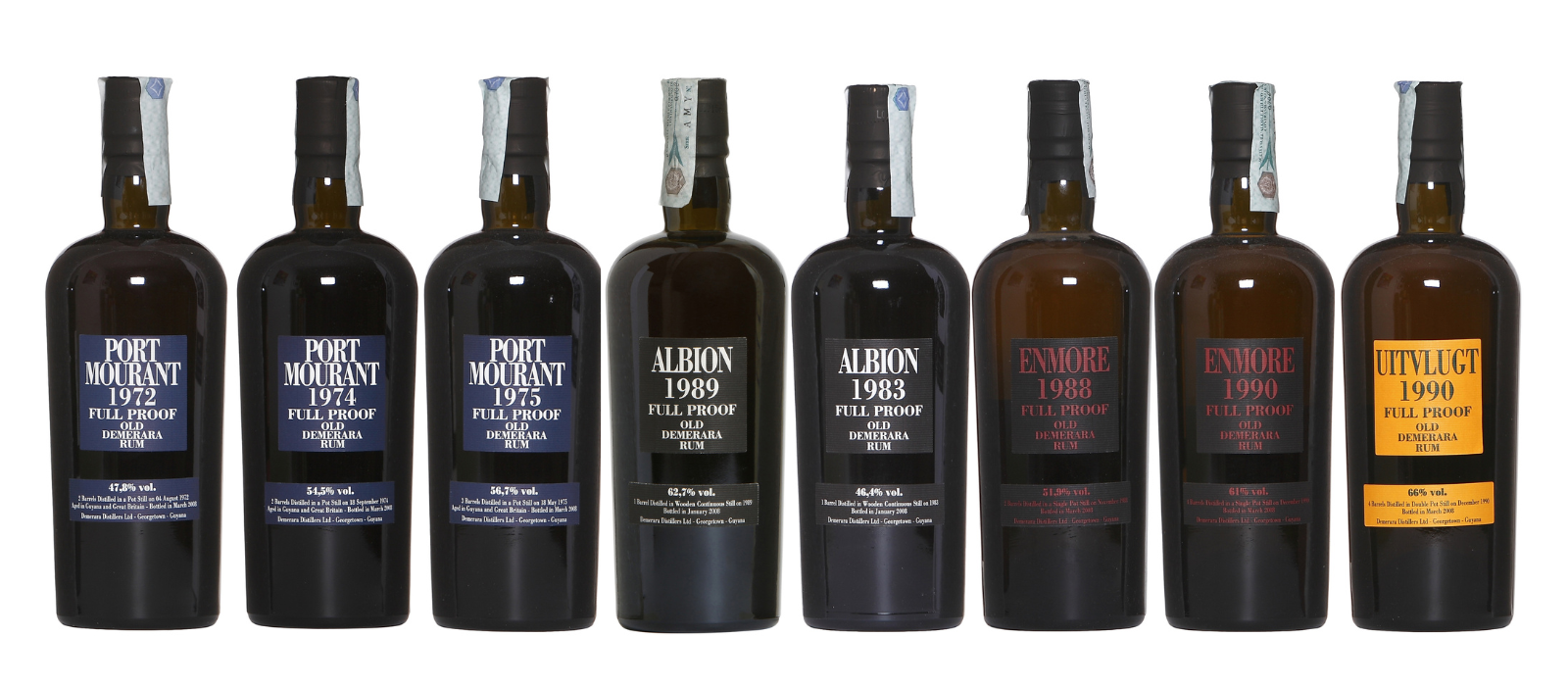
Let's start with the Port Mourant triplet which denotes. Until then, Luca Gargano had sworn to only release rums entirely and exclusively aged in their native country, Guyana. With these Port Mourant 1972, 1974 and 1975, he deviates from the rule for a moment to recover barrels sold by mistake by DLL. It was Yesu who asked him to find and buy these vintages that he found exceptional (and which no longer existed in the DDL cellars). It’s done after a few long months of research. The labels also mention partial aging in Europe. Aged 36, 34 and 33 years respectively, these three rums all bear the same marks (PM) and were released in 175, 364 and 518 copies.
Return to tropical aging with two very recognizable profiles from two unique barrels: a 25-year-old Albion 1983 offered at a superb (and so accessible) 46.4° (313 copies) as well as an 19-year-old Albion 1989 at 62, 7%. The first will yield 313 bottles and the second only 108.
Another duo, this time from Enmore (MEA marks), with on one side the 1988, 20 years old, a blend of two barrels which will give 419 bottles, and on the other a slightly younger vintage, a 1990 of 18 years old. straight out of 4 barrels, giving 728 possibilities of falling on it.
And very lonely, a Uitvlugt 1990, which has the particularity of having been distilled with the double Port Mourant wooden still, hence its MPM marks. It displays a very honorable 17 years of age (4 barrels for 881 bottles).
2011: « you are my friend, you are my brother, you are my son »
We owe these words to Yesu speaking to Luca, enough to give an idea of their relationship and the deep respect that these two men have for each other. The twenty or so selections marketed since 2002 are also there to bear witness to this.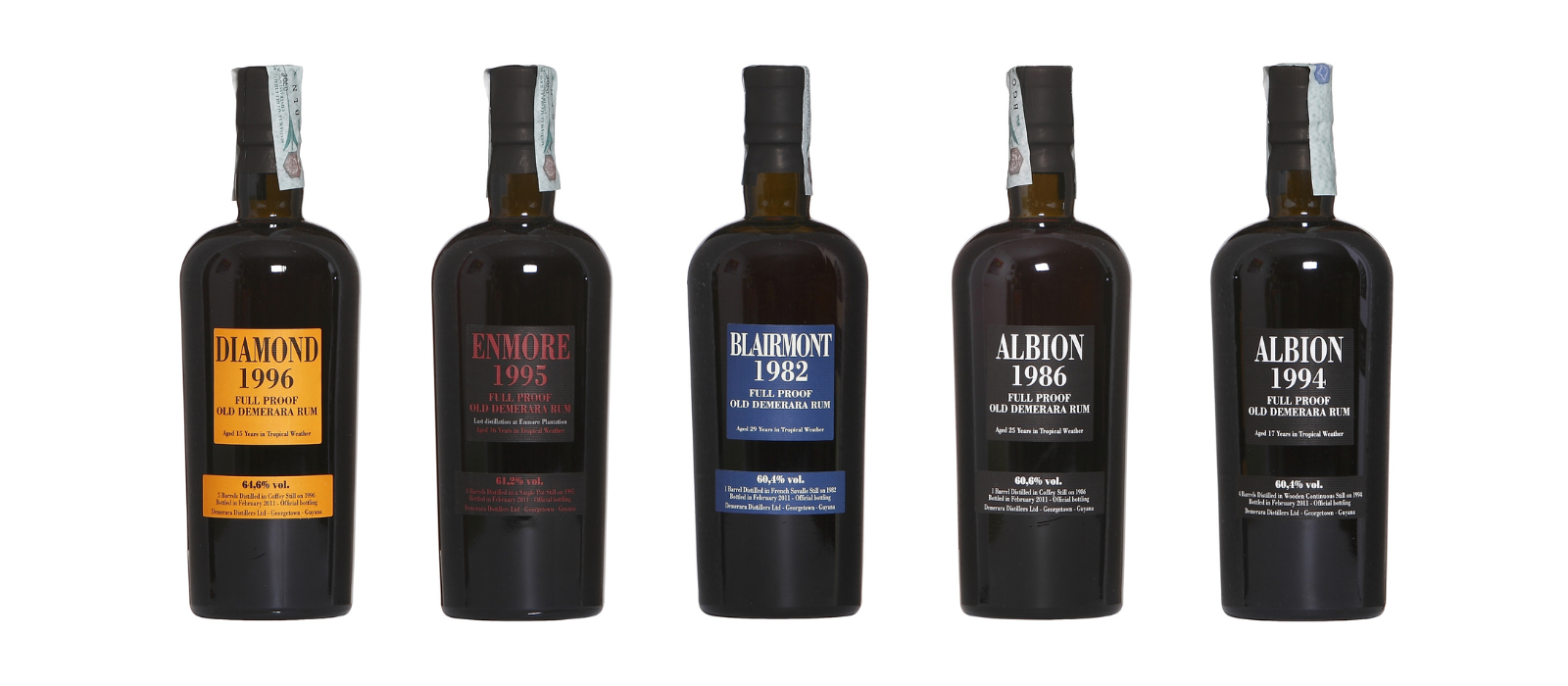
In 2011, there will be two new Albions, bringing the total to five. It’s the turn of the 1986 and 1994 vintages to shine. They are selected by Luca but also by Daniele Biondi, and it is his first time. Those first times. The 1986 vintage is a single cask which will yield 214 bottles and the 1994, from four barrels, will yield 1014. Aged 25 and 17 years old.
Other 2011 selections made by our amazing duo: a Diamond 1996 (15 years old, 1265 pins, SVW), a historic Enmore 1995 (16 years old, 2415 copies, ELCR) which is none other than the latest distillation from the Enmore plantation (before its final closure), as well as a Blairmont 1982 (marks ) bottled after 29 years of tropical aging, in February 2011, at 250 black bottles.
2012: the penultimate salvo…
We are reaching the goal and soon there will be no more DDL x Velier.. Let's take the opportunity to return to an anecdote: You already know the more than friendly relations between Luca Gargano and Yesu Persaud who, for more than ten years, have seen each other every year in Guyana. But also in Italy. On each of his trips to Genoa, Yesu brings Luca a tie, a ceremonial which will never have any impact on his clothing habits since, to this day, he has never been seen wearing a tie. Who says friendships means tension, and very often Luca will have had to battle with Yesu to obtain very old barrels. A friendly rivalry that always ends well. Everything above this paragraph is living, liquid proof of that.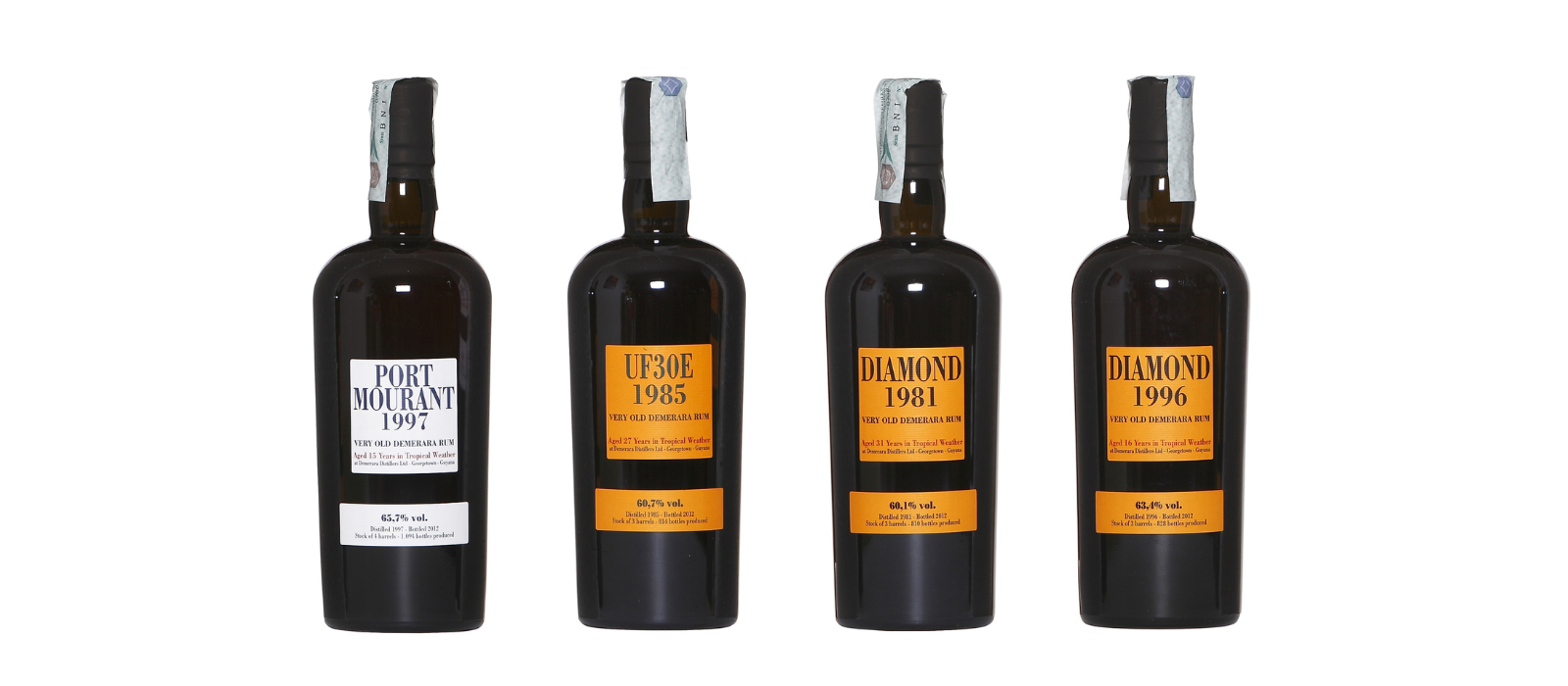
And the 2012 selections you ask us? Past a very classic Diamond 1996 (16 years old, 828 black bottles and a small angel share greater than... 75%), there is a Diamond 1981 aged 31 years (yes yes), 810 units with an enormous angel share at above 94%, enough to surpass understanding and send shivers down the spine. There is also a 15 year old Port Mourant 1997, straight in its boots like any self-respecting Port Mourant, and then, and then... there is a Demerara with a strange name: the UF30E 1985...
No, it's not a UFO name or a new fashionable food coloring, but a rum: the U for the name of the still and former Uitvlught distillery and F30E for the geographical location of the sugar cane field which was used to make this rum (Field #30 East). Distilled in 1985 and bottled in 2012 after 27 years and more than 90% evaporation, three barrels were assembled to produce a few hundred bottles (814).
Shortly after the release of these selections, in November 2013 and after 48 years of good and loyal service at the presidency of DDL, Yesu Persaud officially announced his retirement.
2014: One last lap and then it's gone...
Like the end of the year (or a new one), DDL and Velier, Yesu and Luca, have reserved for us a fireworks display with a dazzling finale. It’s simple, there have never been so many releases in the same year (i.e. nine). And that’s a first. It’s also the first time that I’m going to see a numerology site to find out the meaning of the number 9. And I’m hitting the nail on the head:
"The number 9 announces the end of a cycle and the birth, the creation of something new. In numerology it is also associated with travel, open-mindedness, altruism and utopianism. The number 9 is an idealist who will have an impact on the world around him."
Not bad when we know that from this moment on, DDL will release these single casks solo under the "Rare Collection" range. A choice full of meaning and history which marks the end of the partnership between Velier and DDL.
On the menu for this year 2014, something new with Demerara "blended in the barrels", that is to say blends of different brands made directly in the barrels, before aging. An experiment among many others by DDL that the enthusiast with a thirst for discovery will have been able to discover in preview in the ephemeral boutique Velier Pure Single Rum, which took up residence on rue d’Anjou in Paris in April/May of the same year.
It is not in fact a blend (assembly) strictly speaking since the "blend" was done here before aging, where the usual blends take place after aging: and the difference is enormous because the rums thus married will work, evolve together in the barrel, will link essences and knowledge for many years, swearing an imposed loyalty, in isolation and with the obligation to mutually consume, to mix, and to give birth to unique essences.
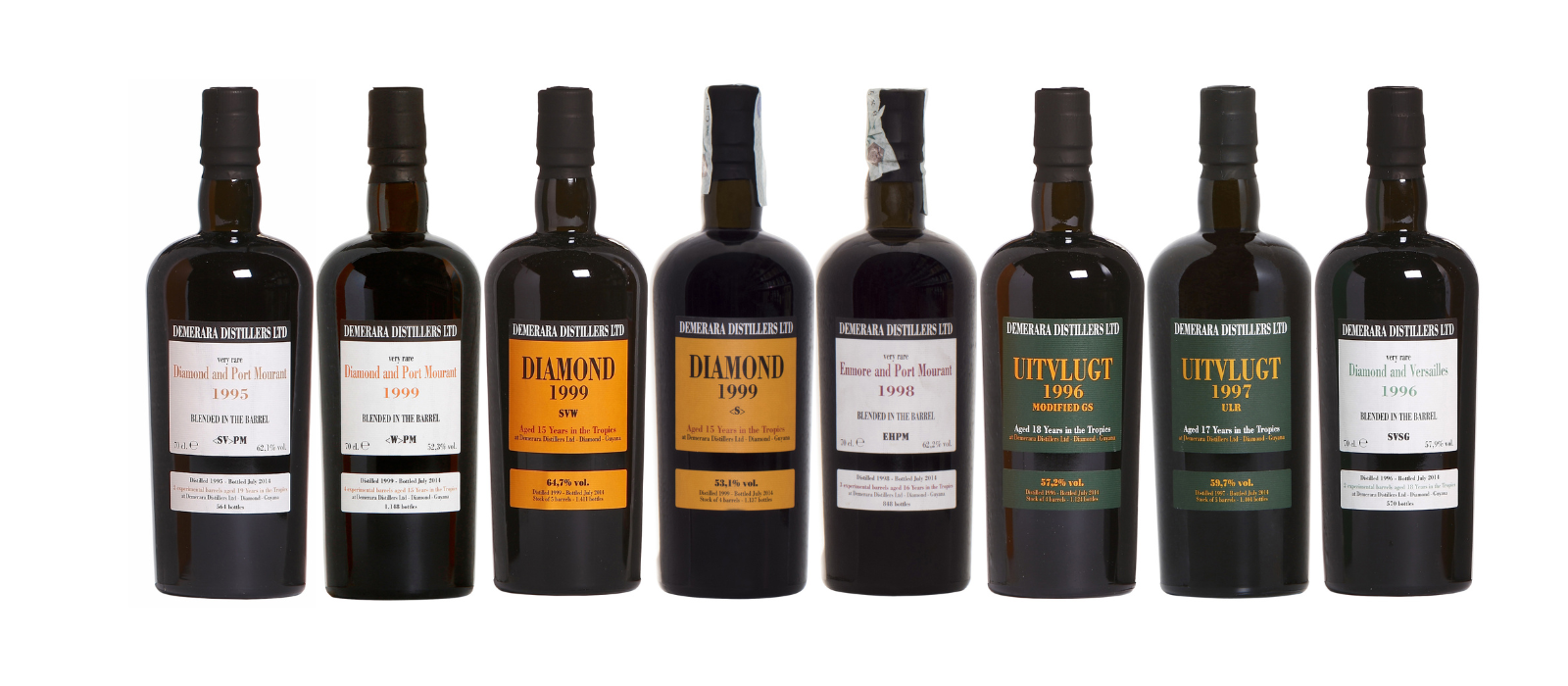
Among these happy experiences, two Diamond & Port Mourant with the vintages 1995 & 1999. The first saw the marks SV (for Diamond) and PM aged together for 19 years and produced 564 bottles. The 1999 vintage, four years younger, mixes marks W and PM and will make 1148 happy. Also released will be 848 Enmore (EH) & Port Mourant (PM) 1998 aged 16 years.
Alongside these world premieres, we find more classic bottlings:
Two 15 year old Diamond 1999 from two different marks: S (assembled from five barrels which will give 1137 bottles) and SVW (also five barrels but 1411 units).
Two Uitvlugt: a 1996 18 year old bearing the enigmatic MOD GS marks for 'MODified GS', another experimental rum which was "cut" at 15% and released in 948 copies. And a Uitvlugt 1997 (17 years old) of ULR marks for Uitvlugt Light Rum (1404 bottles).
Ladies and gentlemen, here comes Luca Gargano’s latest selection…
This is the Diamond & Versailles 1996, released later than the others because Luca wanted to mark the occasion. Initially intended to host masterclasses, it will ultimately be put on sale but to amateurs via social networks. A gesture of great class.
Aged 17 years and from 2 barrels which will yield a total of 570 bottles, it is a blend (assembly) of Marks like those mentioned above: one from Diamond (marks S) and its still with metal columns (Metal Coffey Still), and the other from Versailles (marks VSG) with its famous wooden pot still.