

1 Bottle 1 Story : Bally 1939

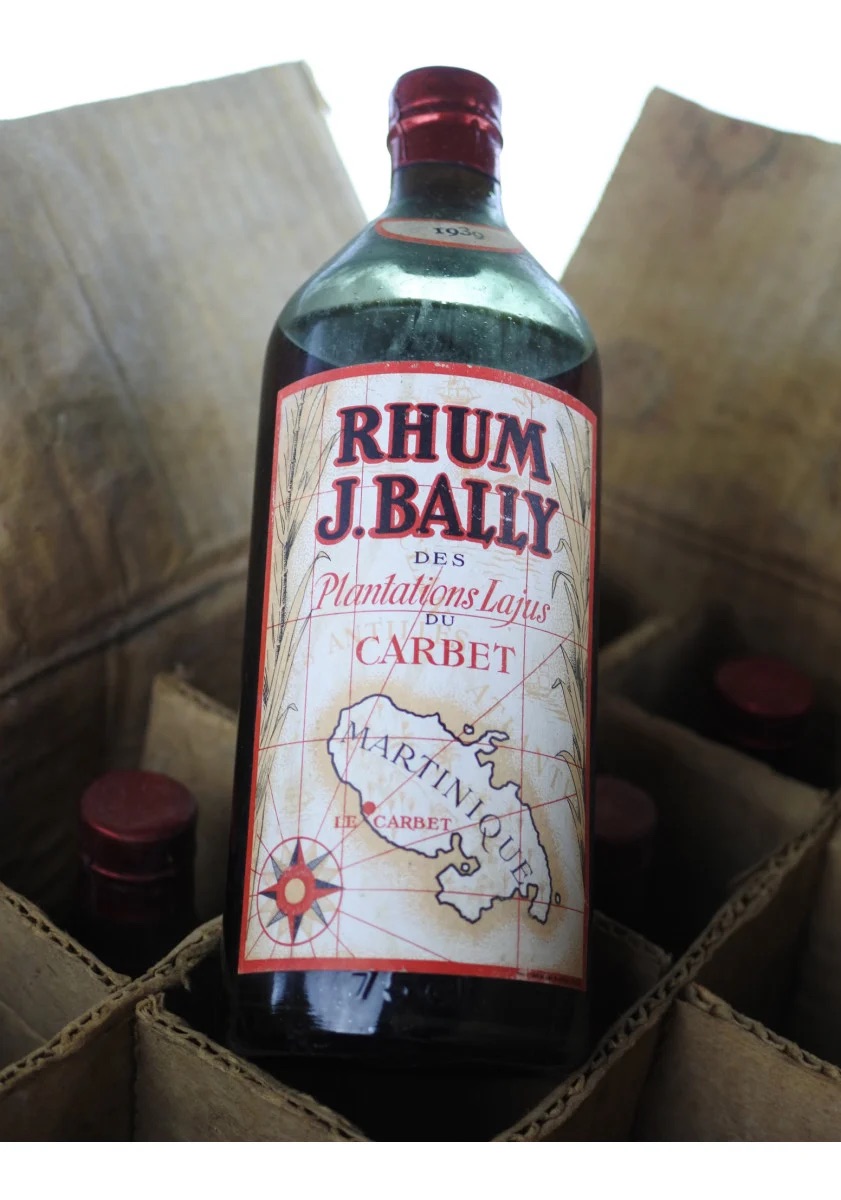
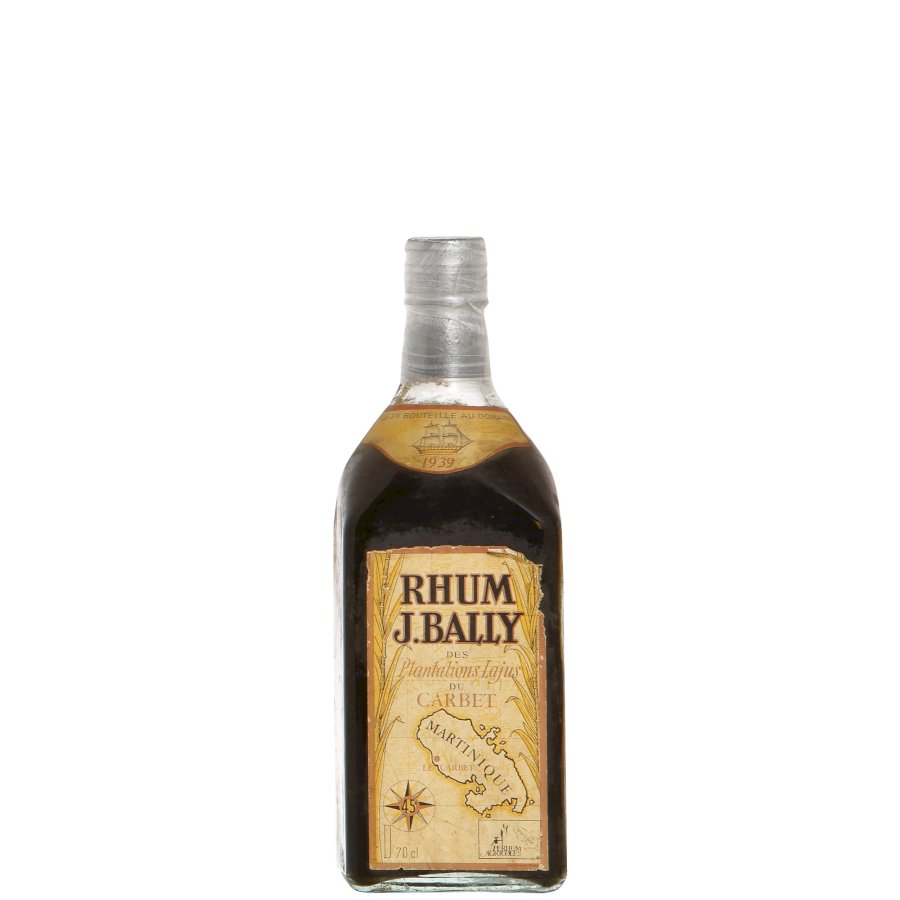
This bottle of 1939 vintage Bally is far more than just an exceptional rum. Kept for nearly eighty years by a family in Northern France, it tells a story of trust, loyalty, and resilience.
In the early months of the war, as rum exports to mainland France collapsed, a major order placed by a textile industrialist provided Jacques Bally with invaluable financial support, helping the distillery weather that particularly difficult period. Behind this vintage lies a little-known chapter in the history of one of Martinique’s greatest rum houses…
Jacques Bally, a visionary entrepreneur
To understand the story behind this bottle, one must look back a few decades. In 1902, the eruption of Mount Pelée devastated Saint-Pierre and profoundly altered Martinique’s economy. Among the many estates affected was Habitation Lajus, which was seized in foreclosure proceedings. In 1918, Jacques Bally—an engineer trained at the École Centrale de Paris—officially became its owner.
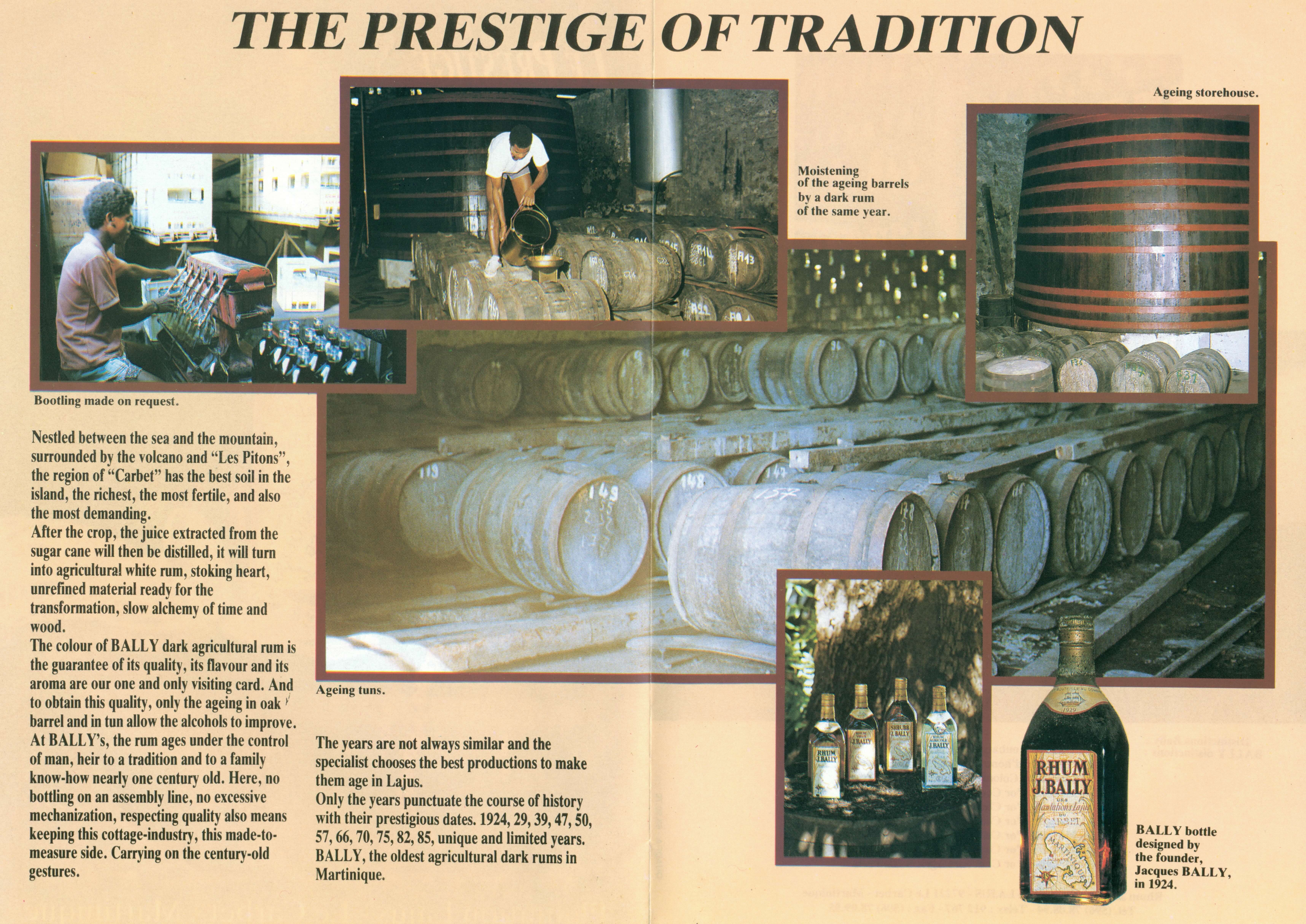
Shortly after taking over, he set about modernizing the estate and officially launched rum production in 1923. When the economic crisis of the 1930s hit the Antilles—and the rest of the world—with full force, he chose to set himself apart by prioritizing quality over volume. Amidst the downturn, he forged a strong, instantly recognizable identity: his iconic bottles—first triangular, then square—became the house's signature and helped cement Bally’s reputation. More than a decade ahead of most of his competitors (with the exception of Saint-James), he also made the bold decision to bottle his aged rums directly at the distillery.
Advertisements and catalogs from the era allow us to trace the first major vintages marketed by Bally. Following the legendary 1924 and 1929 releases, the 1939 vintage stands as one of the house's first great expressions. Yet, no sooner had it been produced than Martinique was struck by another upheaval: the Second World War.
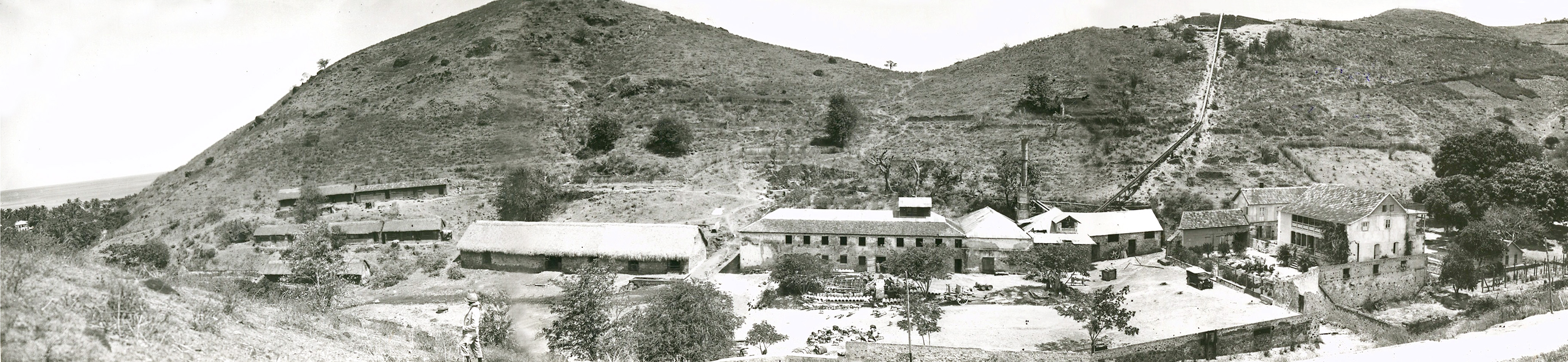
The Bally distillery in the 1920s/1930s (photo Marc Sassier)
When Rum Stops Traveling
The outbreak of war profoundly disrupted the economy of the French West Indies. Maritime links with mainland France were severely hampered, exports slowed sharply, and market outlets dwindled. For distilleries that sold a large share of their output to the mainland, the consequences were immediate: stocks piled up while cash inflows became increasingly scarce.
For an agricultural estate, the situation was critical. Plantations had to be maintained, the distillery kept running, workers paid, and future harvests prepared—all while cash reserves were dwindling. And like many Martinican rum producers, Jacques Bally faced one of the most difficult periods in his history.
An Unusual Client
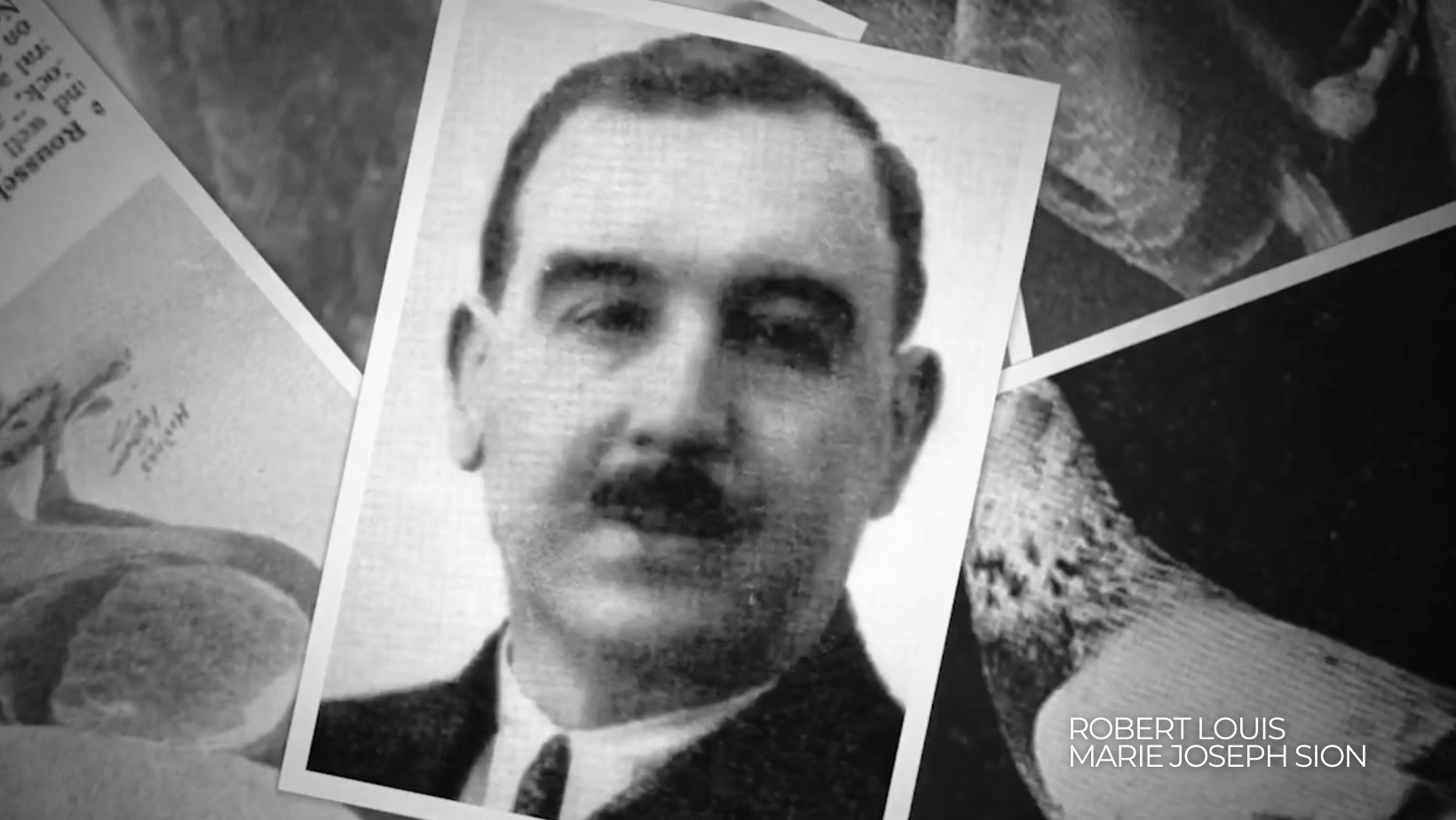
Robert Louis Marie Joseph Sion lived in Mouvaux, near Tourcoing—more than 7,000 kilometers away from Martinique.
A textile industrialist, he belonged to a family whose name was renowned throughout Europe for breeding racing pigeons. The Sions were among the leading figures in French pigeon racing, with their lofts regularly distinguishing themselves in the most prestigious long-distance competitions.
At the start of the conflict, as trade between Martinique and mainland France became increasingly difficult, Robert Sion placed a particularly large order for rum with Jacques Bally. Even more remarkably, he paid for it immediately. In return, the Martinican producer pledged to reserve his next available batch for Sion and to fulfill the delivery as soon as circumstances allowed.
At a time when maritime links were severely disrupted and no one knew when trade might return to normal, this advance payment represented far more than a mere commercial transaction. It provided the distillery with a vital financial lifeline, precisely when rum exports to the mainland had slowed to a crawl.
While not an investment in the modern sense of the word, this transaction amounted to a form of trade credit based on mutual trust: the client advanced the funds, while the producer committed to honoring his promise once conditions permitted.
For Jacques Bally, this influx of cash provided invaluable support for weathering the war years.
In 1939, history seemed to be repeating itself
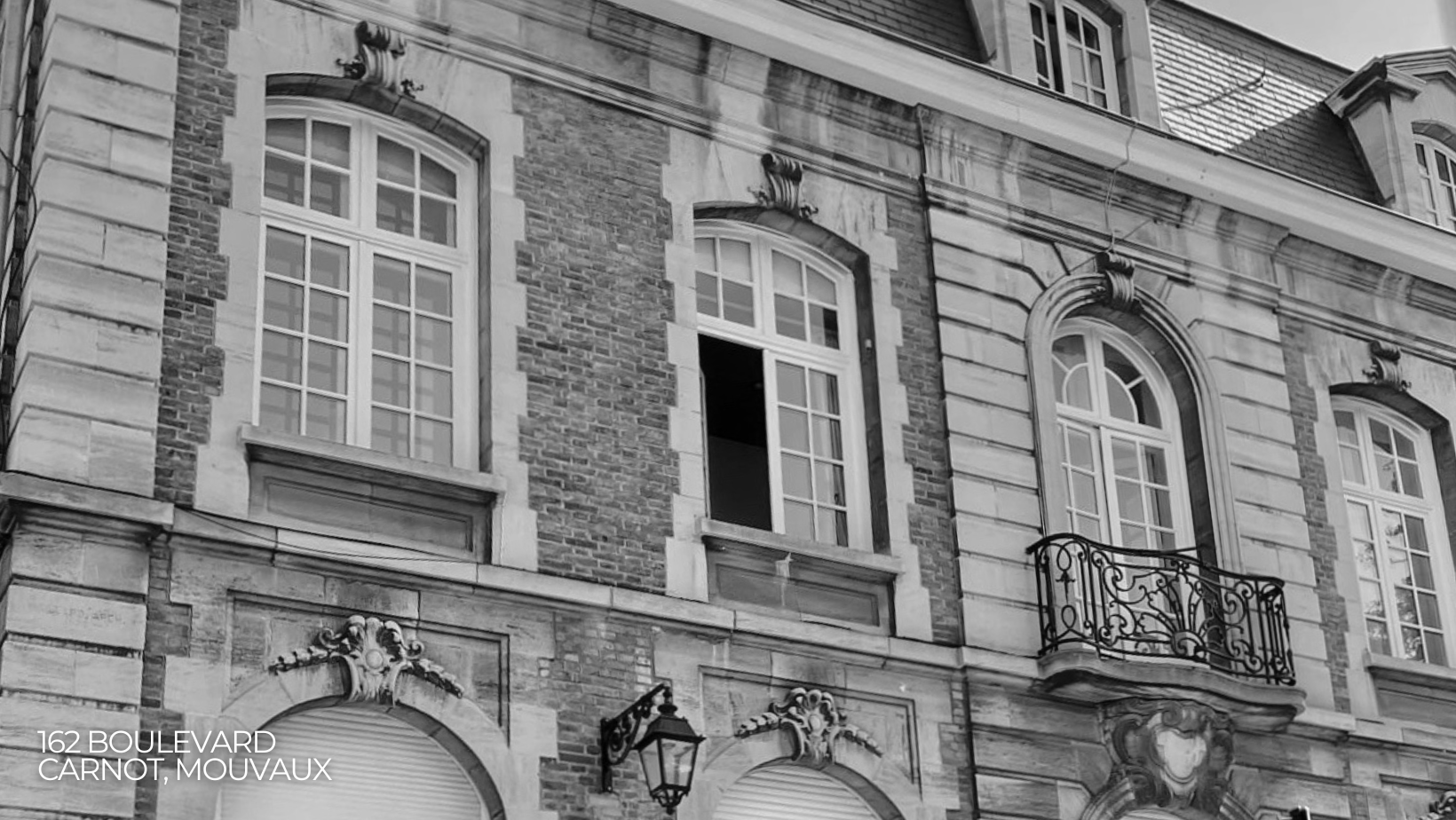
The town’s grand residences were gradually requisitioned by German authorities, and the house at 162 Boulevard de Carnot—where Robert Louis Marie Joseph Sion lived with his family—was no exception.
Born in 1898, Robert Sion was a prominent industrialist in the Tourcoing area. He worked for the family business, Sion & Frères, a textile company founded in 1867 and managed by his father, Paul, and his uncle, Jules. The company—which remained a key player in the local industrial landscape for decades before folding in the late 1970s amidst the textile industry crisis—bore witness to the Sion family’s deep roots in the region.
For Robert, the situation felt like a bitter case of déjà vu. As a child, he had already experienced the requisitioning of the family home by the German army during the First World War. Twenty years later, as he approached his forty-first birthday, he saw his home occupied by the enemy once again.
Like many people involved in the events of that era, he relied on a network of connections built up over the years. His professional activities, local roots, and involvement in pigeon racing enabled him to forge numerous connections—ties that took on particular significance in the context of the Occupation.
Beyond his career as an industrialist and his passion for racing pigeons, Robert Sion also became involved in the Resistance. Family accounts indicate that his pigeons were used to transmit clandestine messages, particularly between Belgium and Northern France.
In this border region, which was under close surveillance by the German authorities, such activity was a risky undertaking that demanded absolute discretion and trust.
This little-known aspect of his life explains why Robert Sion’s legacy has endured through the generations—far beyond his professional achievements or his exploits as a pigeon fancier. Behind the industrialist and the pigeon enthusiast emerges the portrait of a man deeply attached to his local region, who chose to take action at his own level during a particularly difficult time.
1946: A Promise Kept
In 1946, a truck pulled up in front of the Sion family estate at 162 Boulevard Carnot in Mouvaux. Its cargo had come straight from Martinique.
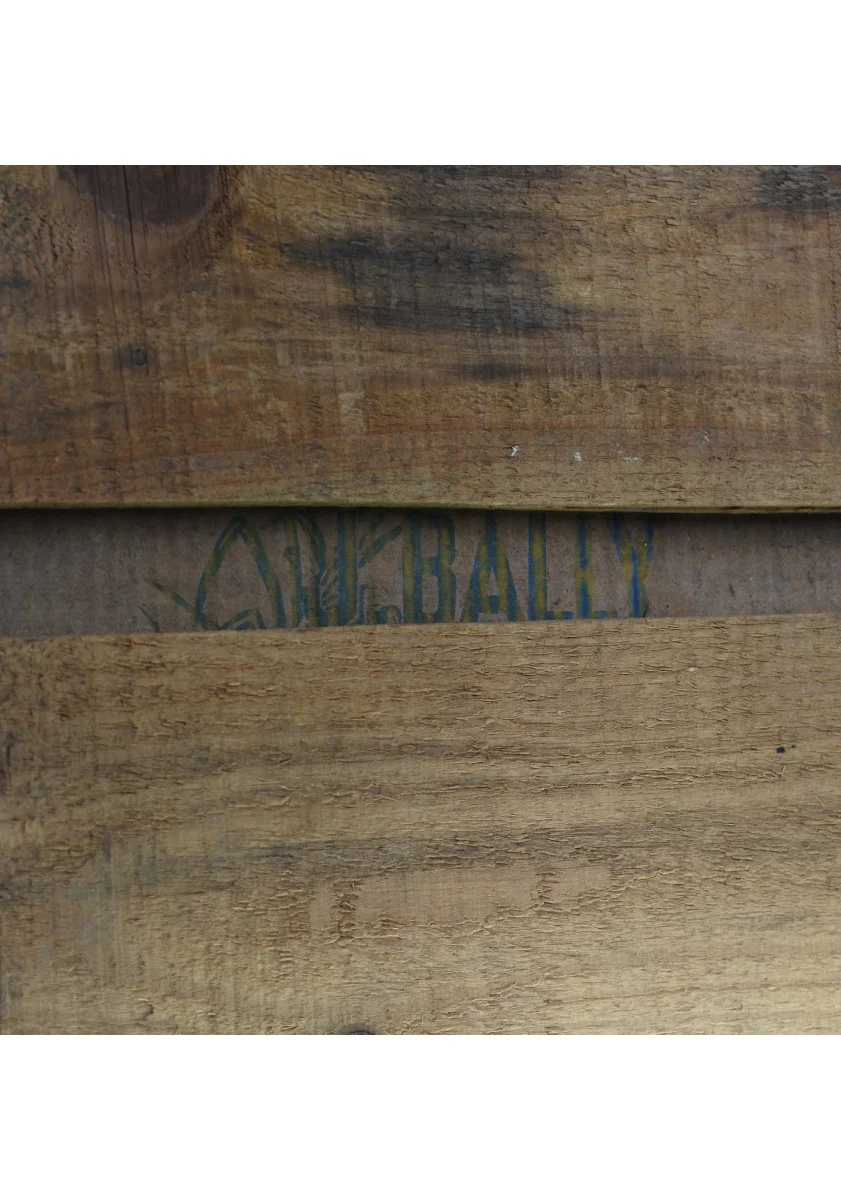
Robert Sion, then 48 years old, soon discovered crates stamped "J. Bally." After a seven-year wait, Jacques Bally had finally honored the commitment made when the order was placed before the war... And the delivery was far from merely symbolic : before the eyes of the Sion family—whose surprise is easy to imagine—the deliveryman unloaded the crates one by one ; an entire truckload of Bally rum.
Inside were bottles from the 1939 vintage...
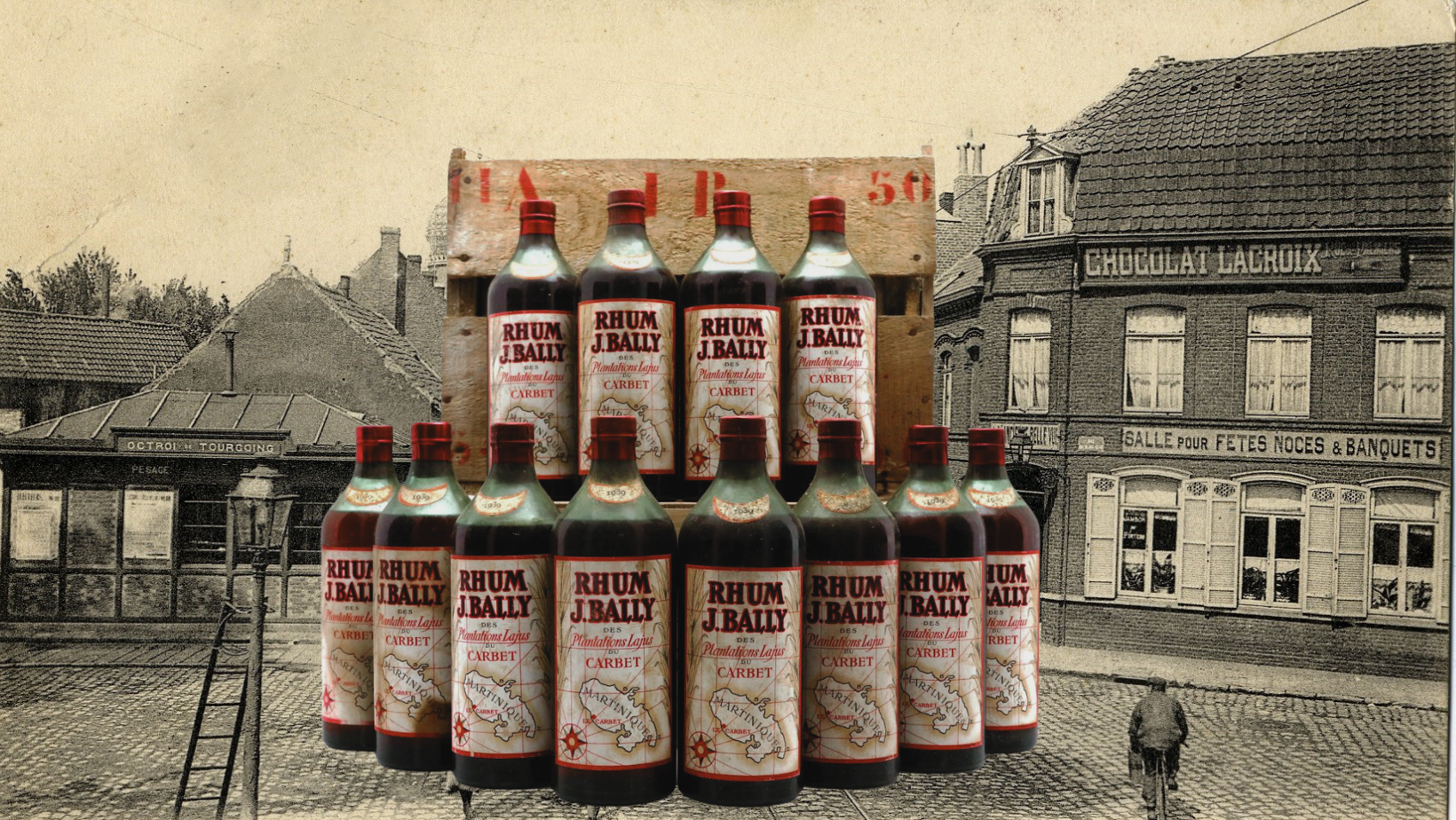
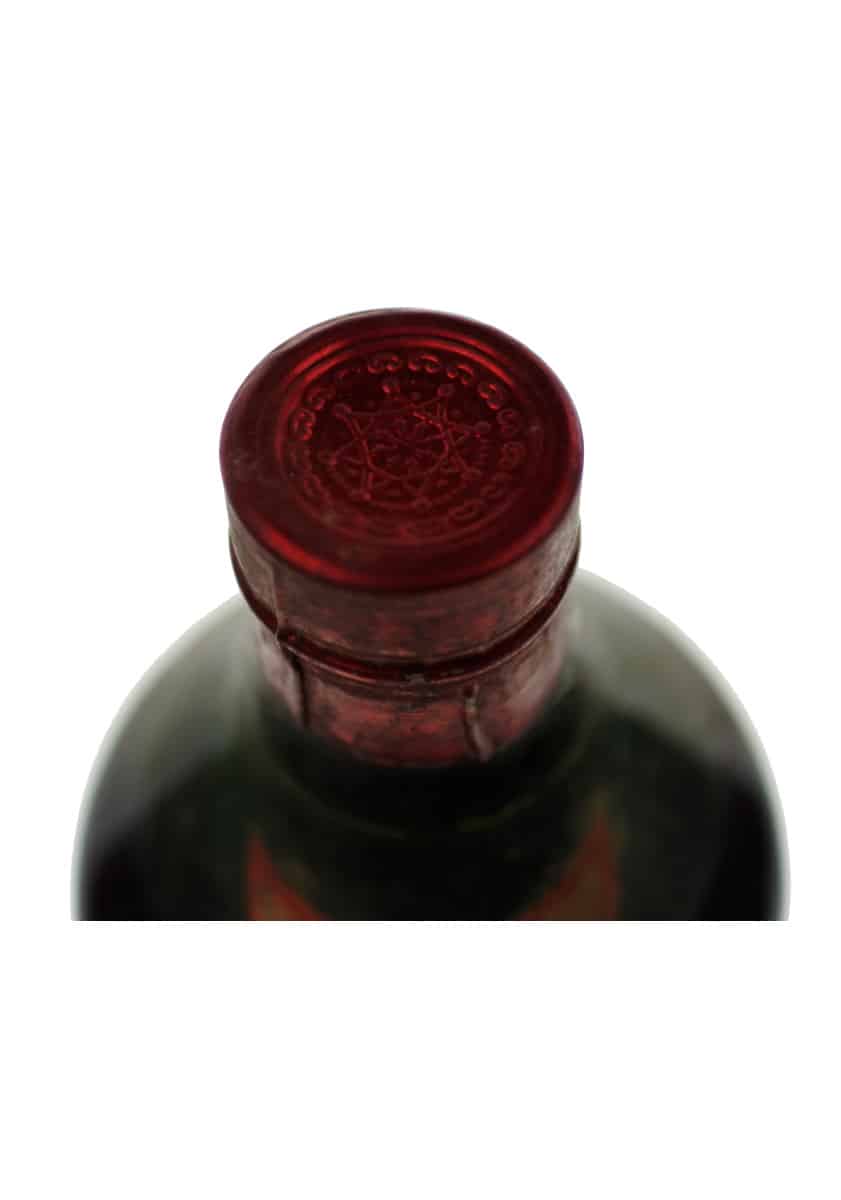
These bottles possess several distinctive features that make them precious artifacts of their era. Unlike the square bottles usually associated with the Bally house, these feature a round shape—an unusual choice for the brand. This may be explained by the glass supply shortages in the immediate post-war period, which sometimes forced producers to adapt to whatever containers were available.
Another unique feature is the bottling strength. These rums boast a rare and unusual 50% ABV, indicated by a sticker on the back of the bottle. To date, this is the only known vintage Bally aged rum bottled at this strength, lending the delivery a truly exceptional character.
Was this a deliberate choice by Jacques Bally to offer a unique bottling to his client? Was the rum stored and then bottled without prior dilution—close to cask strength—before being shipped to mainland France? The mystery remains, but the hypothesis is plausible and further enhances the singular nature of this batch. For the discerning enthusiast, the gap between the 1939 vintage and its 1946 release also sheds valuable light on the Maison Bally’s aging practices at the time. It bears witness to a rum that was stored for several years prior to sale—undergoing aging periods that were already significant for that era.
For the Sion family, these bottles would soon become far more than a mere stock of spirits; they would accompany meals and special occasions across several generations. Some were opened for momentous events, while others were even used—with a touch of culinary indulgence—to flavor crêpes, a tradition Robert’s descendants still recount today. Thus, every bottle kept or savored—perhaps without the full significance being realized at the time—kept alive the story of a bond of trust forged during the war’s most uncertain hours.
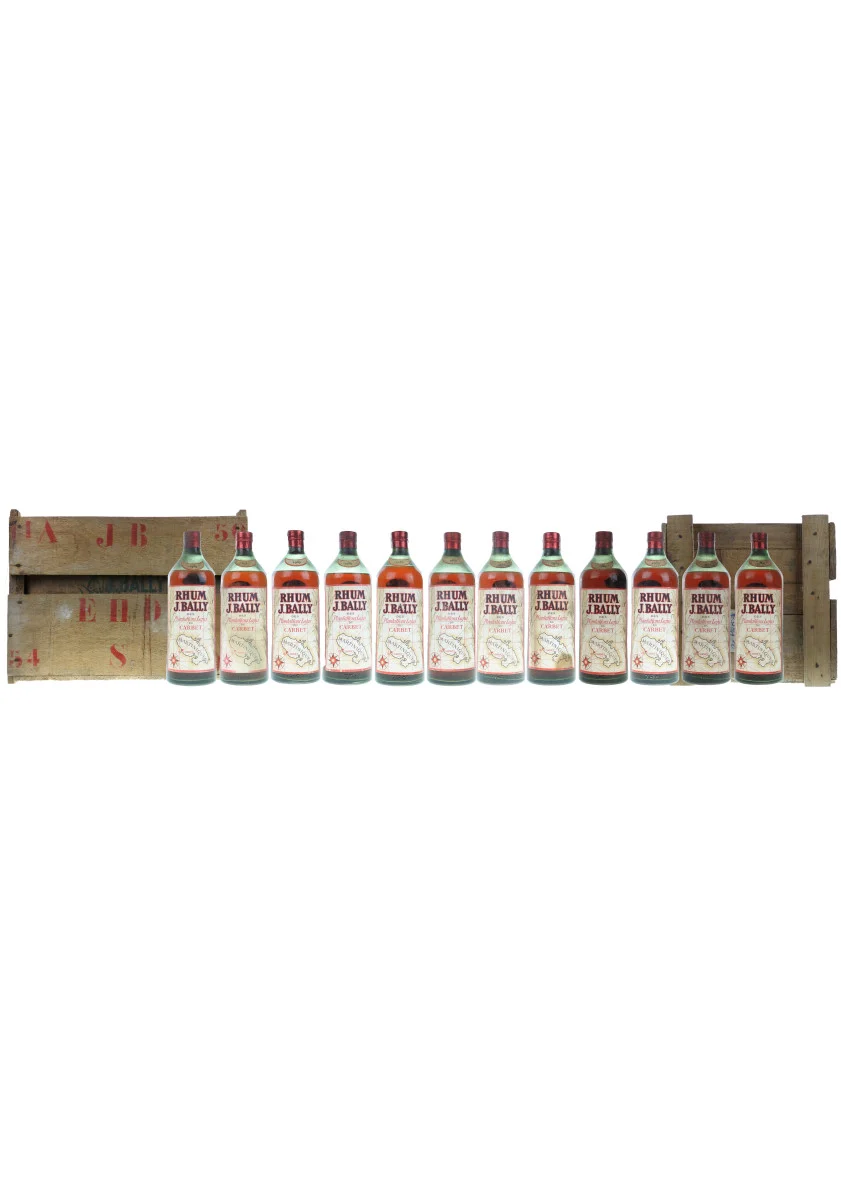
Below, an original case containing bottles of 1939 vintage rum, exactly as they were delivered in 1946 to Robert Sion's home.
Photo credits, resources: Mouvaux Historique, The Stoy of Sion Pigeon (Virtual Stock Loft), Excellence Rhum, Rum Auctioneer
The photos below are from the ExcellenceRhum website and are published with their kind permission.