

1 Bottle 1 Story : Waldorf Astoria Gold Cuban

Today, we unveil the story behind an exceptional bottle of rum, carrying an enchanting journey from Cuba to New York, where refinement and sensuality intertwine. Settle comfortably into the Waldorf-Astoria lounge, savor a cocktail… and let yourself be carried away. And to complete the intimate atmosphere of the day, we invite you to join Lena Horne, who recorded a fabulous live performance within these walls in 1957…
Waldorf and Astoria: A Sacred Union
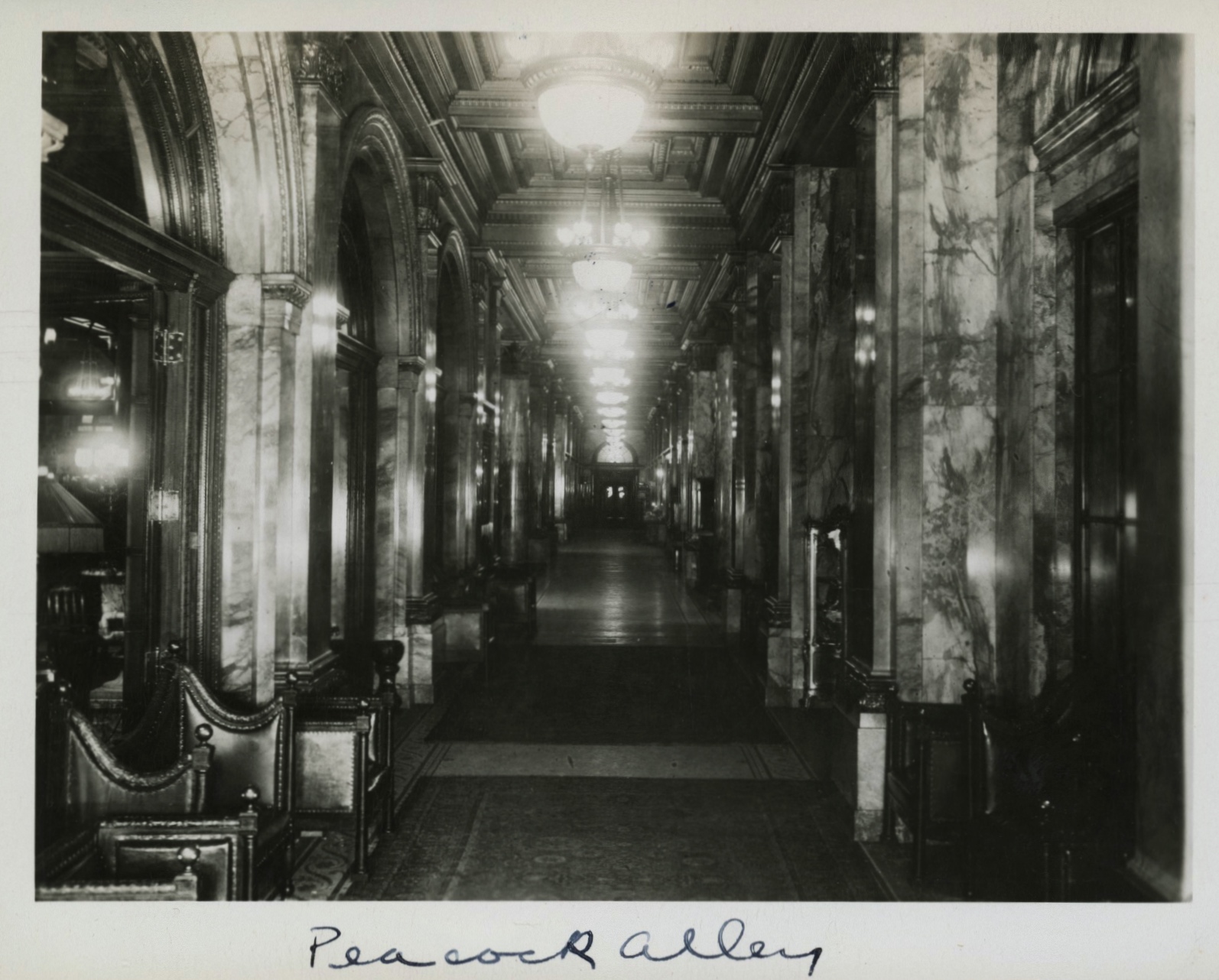
Located in New York City, the Waldorf Astoria is one of the most iconic hotels in modern history. Its origins date back to 1893, when American billionaire William Waldorf Astor built the first Waldorf Hotel on Fifth Avenue in New York. Four years later, his cousin and rival, John Jacob Astor IV, opened the Astoria Hotel right next door. The two establishments later merged to form the Waldorf-Astoria, which quickly became the largest and most luxurious hotel in the world. The two buildings, initially rivals, were then connected by a long corridor called Peacock Alley, where New York high society used to stroll after dinner to see and, above all, be seen. This social display was reminiscent of peacocks showing off their plumage, which inspired the corridor's name.
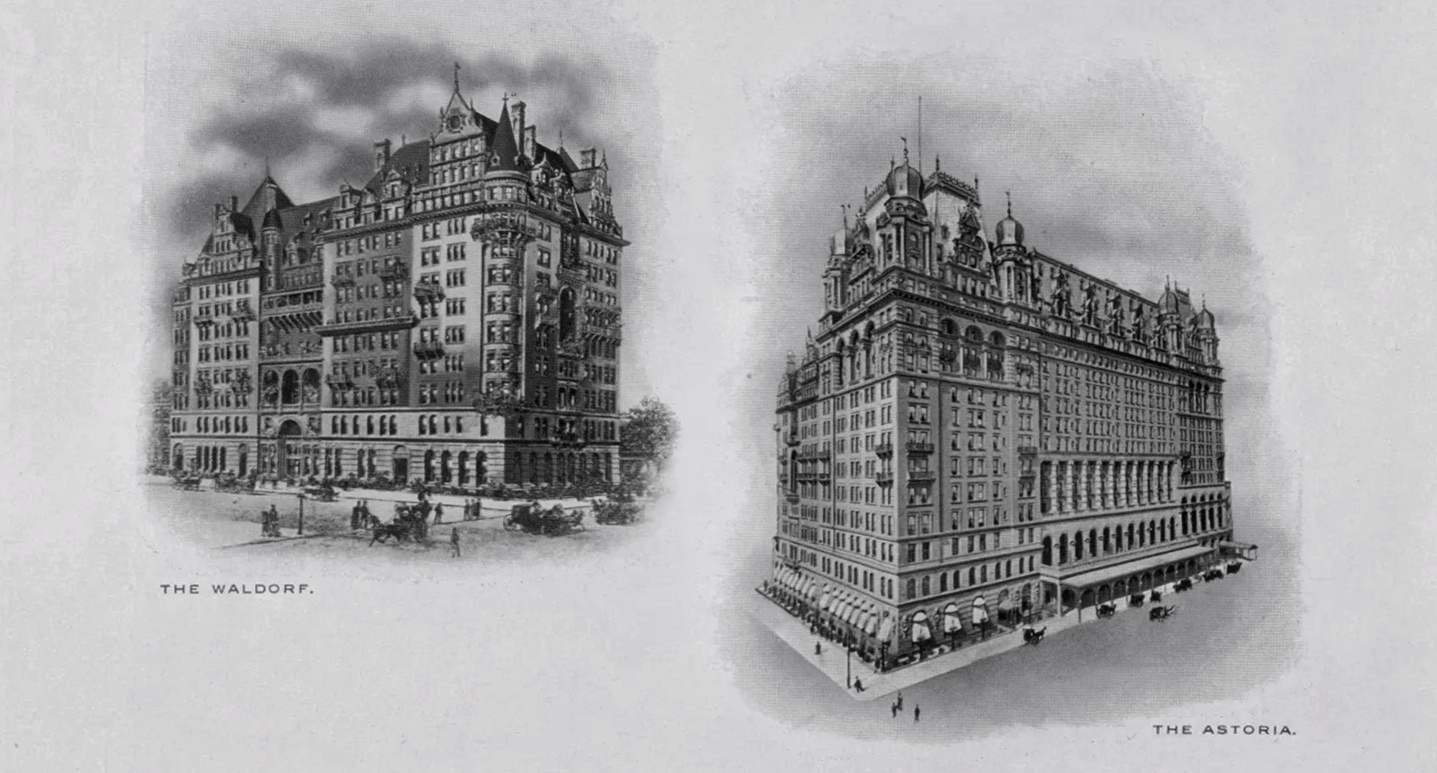
From the early 20th century, the Waldorf Astoria New York established itself as one of the major centers of American social and political life. Diplomats, industrialists, and artists gathered in its elegant lounges and its famous bar, Peacock Alley.
Some prominent figures did more than just stay there occasionally; they made it a true home, sometimes even a permanent residence. Composer Cole Porter remains one of the hotel's most iconic residents. He lived for over thirty years in a suite in the Waldorf Towers, where he hosted legendary parties that brought together artists, aristocrats, and diplomats.
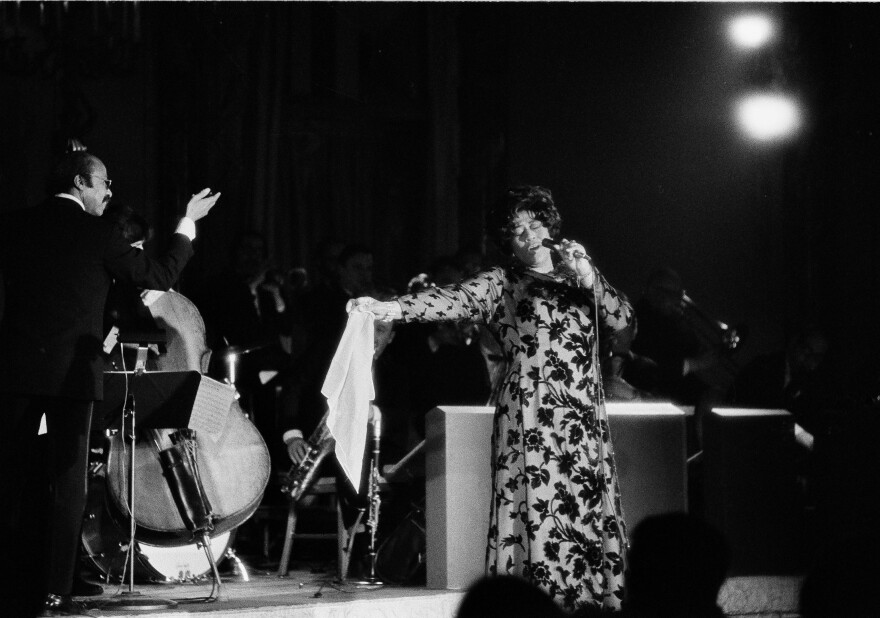
Singer Frank Sinatra was also among the hotel's regulars. As for the great jazz singer Ella Fitzgerald, she performed there on several occasions, notably in the Empire Room, one of the hotel's most prestigious rooms, where she was a regular guest (see the photo below, which immortalizes one of these moments).
The hotel also hosted numerous American political figures, including Franklin D. Roosevelt, John F. Kennedy, and Herbert Hoover, and was a favorite haunt of many prominent international figures, such as Winston Churchill, Charles de Gaulle, and Nikita Khrushchev. Among the crowned heads and royals who stayed there were Queen Elizabeth II and Princess Grace Kelly.
Peacock Alley Bar: A Historic Pillar of Cocktail Culture
As mentioned earlier, Peacock Alley was originally a long marble corridor connecting the Waldorf Hotel (1893) and the Astoria Hotel (1897). This space quickly became a must-visit meeting place for New York's and international elite. It featured luxurious bars and lounges, live music from orchestras and pianos, and refined cocktail and champagne service. In its lounges, bartenders were already serving cocktails that have since become famous, such as the Rob Roy, the Bronx, and the Waldorf Cocktail.
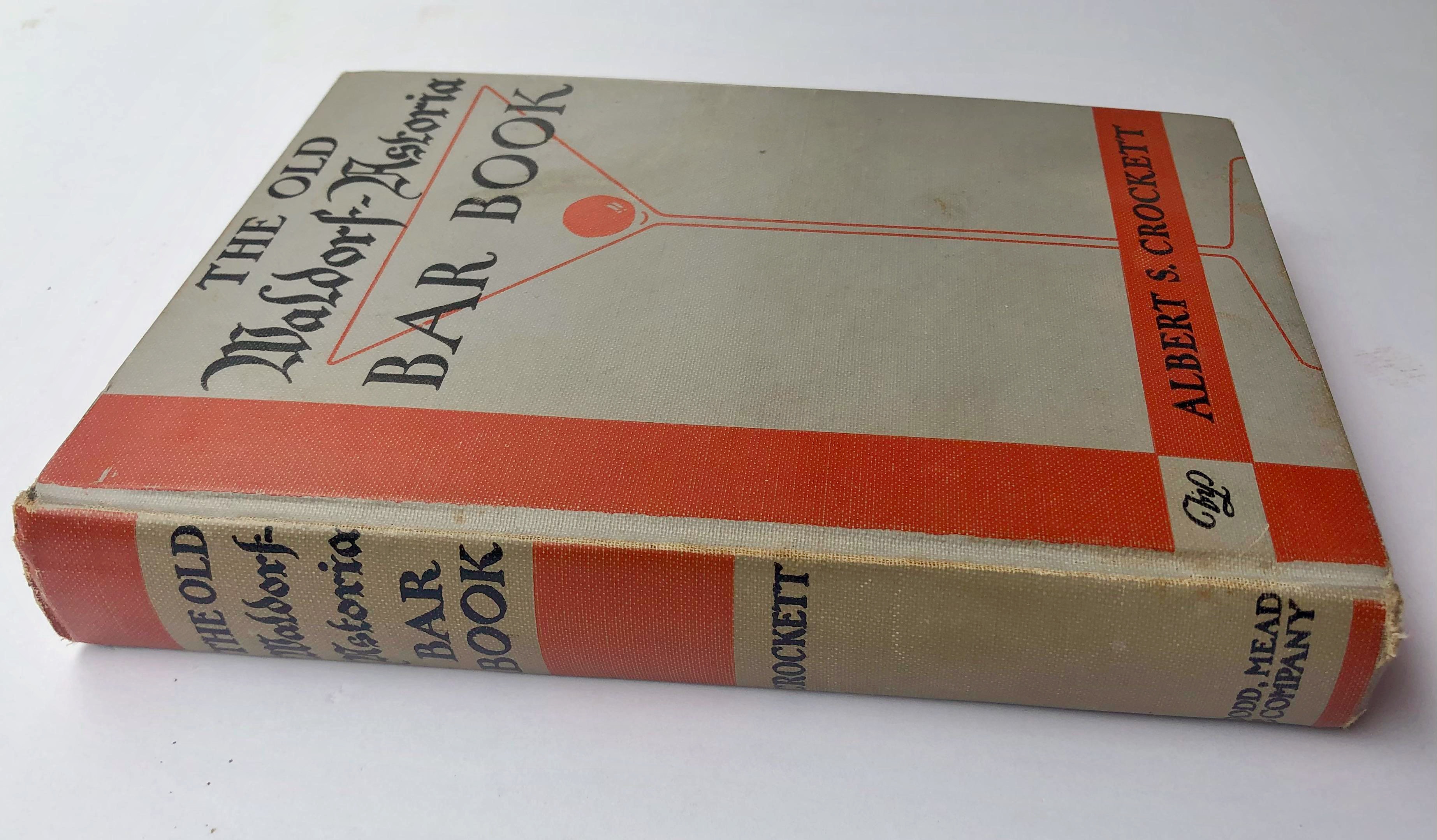
Later, many of these recipes would be documented and preserved in The Old Waldorf-Astoria Bar Book. Published in 1935 by American journalist Albert Stevens Crockett, the book compiles no fewer than 600 recipes, anecdotes, and memories related to the Waldorf-Astoria in New York. A chronicler and regular at the hotel, Crockett wrote it after the end of Prohibition to preserve the memory of the original bar. He relied in particular on the notes of the bartenders of the "Old Waldorf Bar," which before 1919 was one of the epitomes of luxury and refinement in New York.
The book is available online at EUVS Vintage Cocktail Books
It is also within these pages that the very first recipe for the Cuba Libre was published… which is a small step from there to justifying the hotel's release of a Cuban rum bearing its name...
Waldorf Astoria Gold Cuban Rum
Throughout its history, the Waldorf Astoria New York has offered its guests several bottlings bearing its name. These selections, chosen specifically for the hotel, include a rum, more precisely a ron, from Cuba.
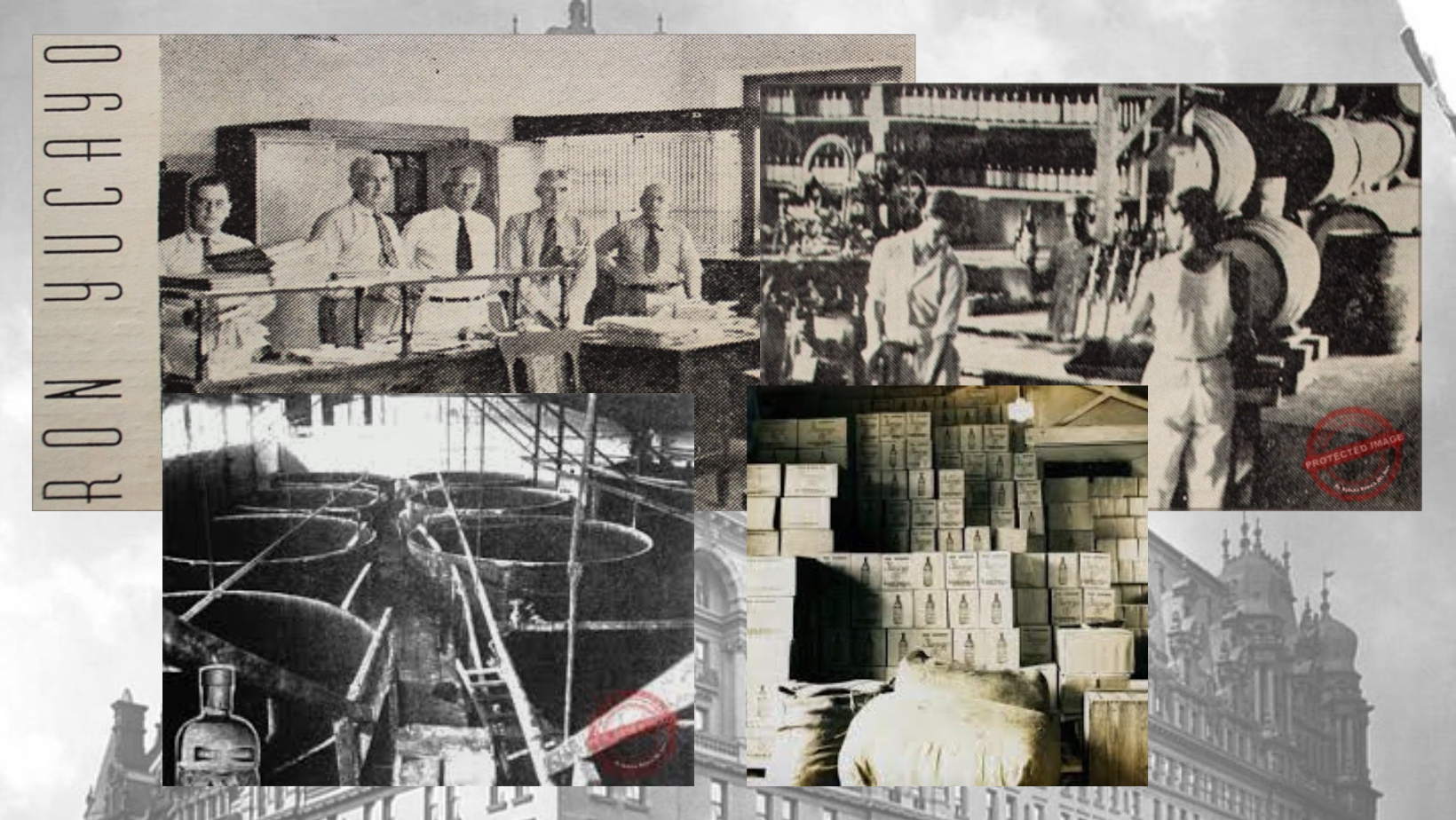
Imported by the New York-based company Saccone, Speed & Jenney, this rum was bottled by Compañía Licorera Matanzas, located in the city of Matanzas. Founded in 1926, this company housed the Yucayo distillery, producer of the rum of the same name. This rum enjoyed considerable success starting in the 1930s, both in the local market and in the United States. At the time, the distillery could produce up to 400,000 liters of rum per month.
The Compañía Licorera de Matanzas wasn't limited to Yucayo rum; it also produced other spirits and liqueurs. In 1945, its catalog listed, for example, Anis Yucayo, Ron Cubano Superior Yucayo, and Dry Gin Alaba. The company was then one of the most prosperous industries in the Matanzas region. Photographs and documents from the period attest to the presence of wooden fermentation tanks (see below) and the use of aguardiente as a base. Aging took place in American white oak barrels, using the solera method (which involves blending rums of different ages). Some sources also mention the slight flavoring of certain products, notably through the addition of chamomile.
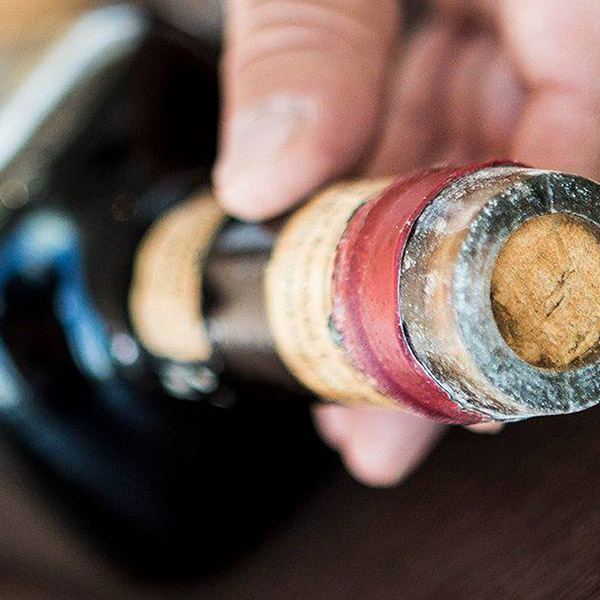
The rum we offer on our website is a rare relic of a bygone era...
The bottle comes directly from the hotel's former stock and was acquired at an auction held in October 2020. At this auction, the prestigious establishment offered more than 15,000 items: 19th-century French furniture, works of art, chandeliers, and decorative elements, primarily from its bar and restaurant. All proceeds from the sale were donated to St. Bartholomew’s Conservancy to support the restoration and preservation of the façades and gardens of St. Bartholomew’s Church, an iconic landmark located directly across from the Waldorf Astoria.
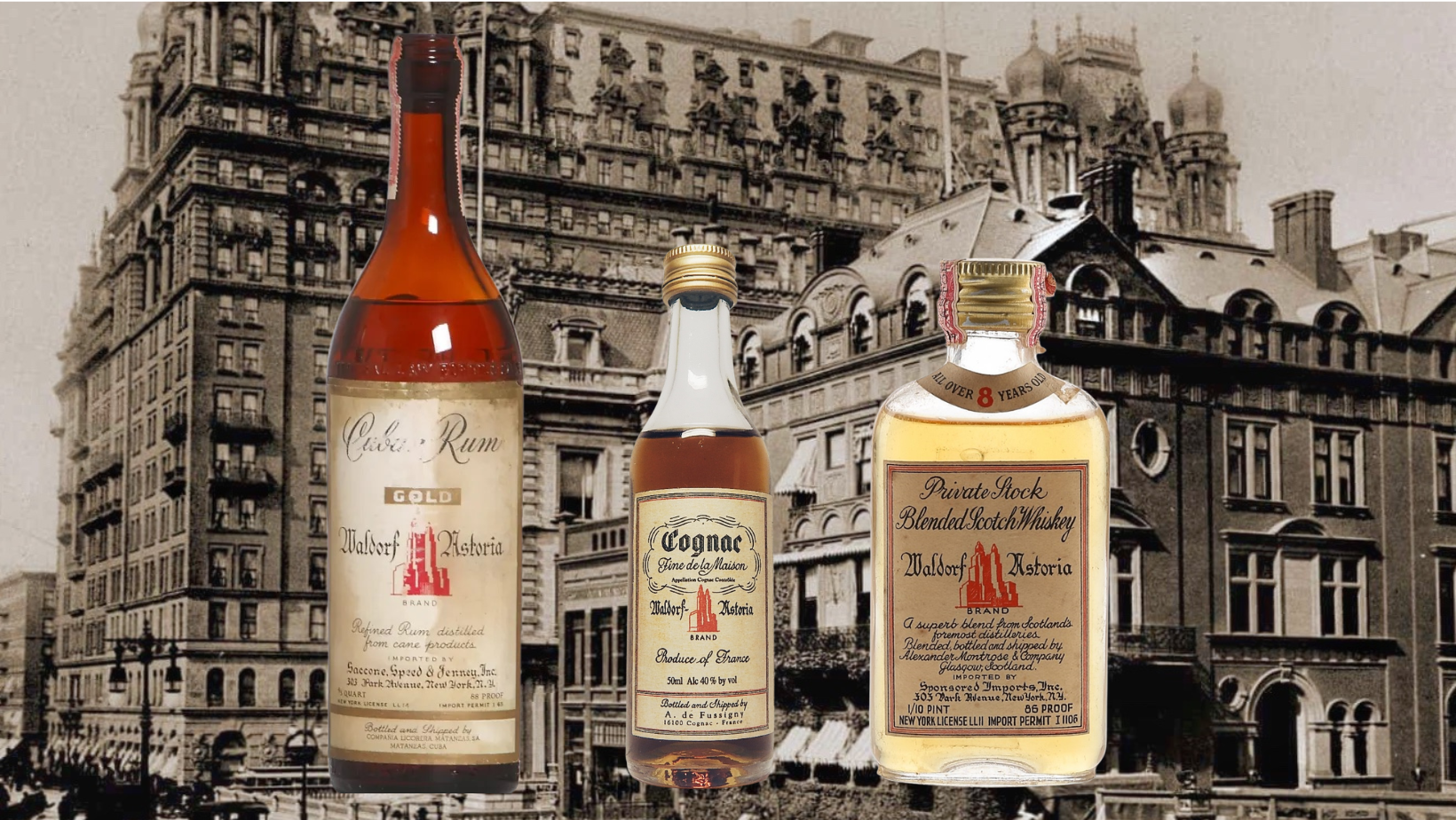
Photo source: https://cubamemorias.com/eudoro-alba-y-la-compania-licorera-de-matanzas/