



Madinina 1895
100cl / 45°
€4,500.00

At the end of the 19th century, the craze for rum was unprecedented, propelled by a French vineyard then ravaged by phylloxera. At the same time, some six thousand kilometers away, a certain François-Marius Fanton was preparing to load barrels of rum onto his boat which was anchored in the harbor of Saint-Pierre, in Martinique. It is the spring of 1902 and in a few days, Mount Pelée will explode, suffocating the city and its 30,000 inhabitants...
To say that this rum could never have existed is an understatement. In a matter of days, weeks at most, it would have ended up buried under tons of ashes, had it not left the port of Saint-Pierre on time. Like other merchants of the same era, Michel Fanton's company regularly imported rum to mainland France for its clientele. Born in 1826 and descended from an old winemaking family from the banks of the Saône, he established himself in the warehouses of Bercy at a young age, in 1846. He sold wines in casks and bottles to his Parisian clients (and others), as well as spirits for the more adventurous among them (and, of course, according to the prevailing economic trends).
Located on the outskirts of the 12th arrondissement, along the Seine, the Bercy warehouse area was a veritable hive of activity: it received, stored, and redistributed wines and spirits. Barrels destined for the capital arrived by boat on the Seine, were unloaded at the port of Bercy, and stored in the cellars just a stone's throw away (cellars that would be declared a public utility in 1880). Below are a few period photos to give you a taste of the atmosphere…
.jpg)
Transport of wine barrels to the Bercy warehouses. Paris, circa 1903 © Maurice-Louis Branger / Roger-Viollet
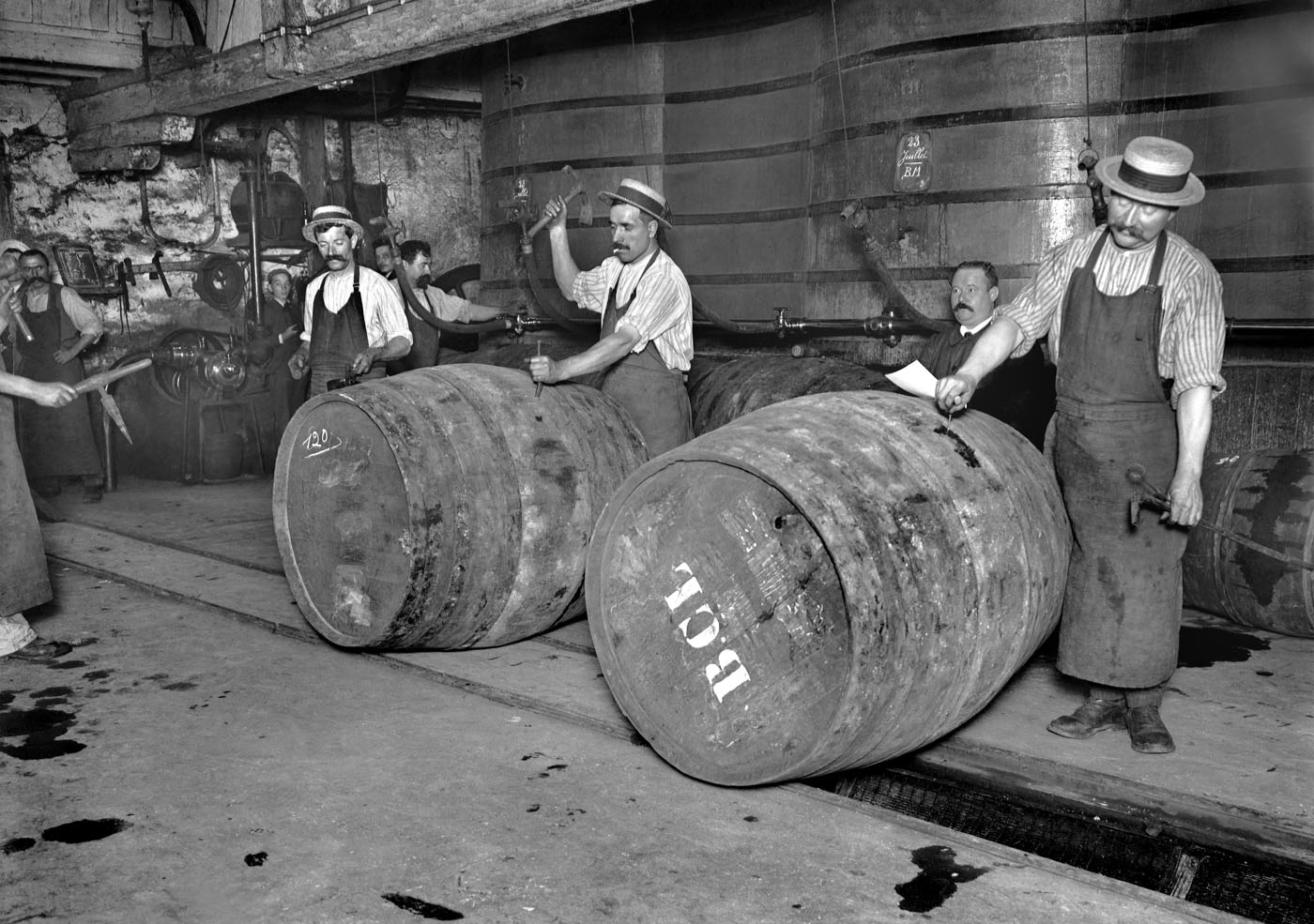
Filling wine barrels at the Bercy warehouses. Paris, circa 1905 © Maurice-Louis Branger / Roger-Viollet
Rail transport even developed locally and handled almost all wine and spirits transport between 1875 and 1914. Barrels were gradually replaced by tank cars (20,000 of which were in service between 1910 and 8,850 in 1945). This was a time when shunting was still done by horses (later replaced by locomotives).
Already busy with the wine trade, Michel Fanton could count on one of his sons to manage the spirits side of the family business. François-Marius quickly became a seasoned traveler, crisscrossing the globe in search of new products: Saint Petersburg, Antwerp, Madeira, and the West Indies… History tells us that he even developed a passion for Martinique, where sugar plantations flourished, and thus—also—rum production thrived.
He undoubtedly brought back many other rums from his travels, but the one that brings us here comes specifically from Habitation Saint-Pierre. It was distilled in 1895 from "pure vesou," meaning from sugarcane juice (and not molasses). Exactly one decade after a certain Saint-James 1885… It's easy to imagine that the vesou was slightly cooked, a conclusion that only tasting could truly confirm. In his quest for discovery, the young François-Marius set his sights on a batch of rum from 1895, which—according to the archives—had aged for seven years in oak barrels. We are therefore dealing with a rum aged in the tropics, if we are to believe the contemporary records of the Paris Commercial Court.
The story of yet another imported rum takes a dramatic turn with the date of its journey to mainland France: the spring of 1902. Just a few days, a few weeks at most, before Mount Pelée erupted and its pyroclastic flow of May 8th completely destroyed what was then the largest city in Martinique, Saint-Pierre, killing almost all of its inhabitants (three confirmed survivors and more than 30,000 deaths).
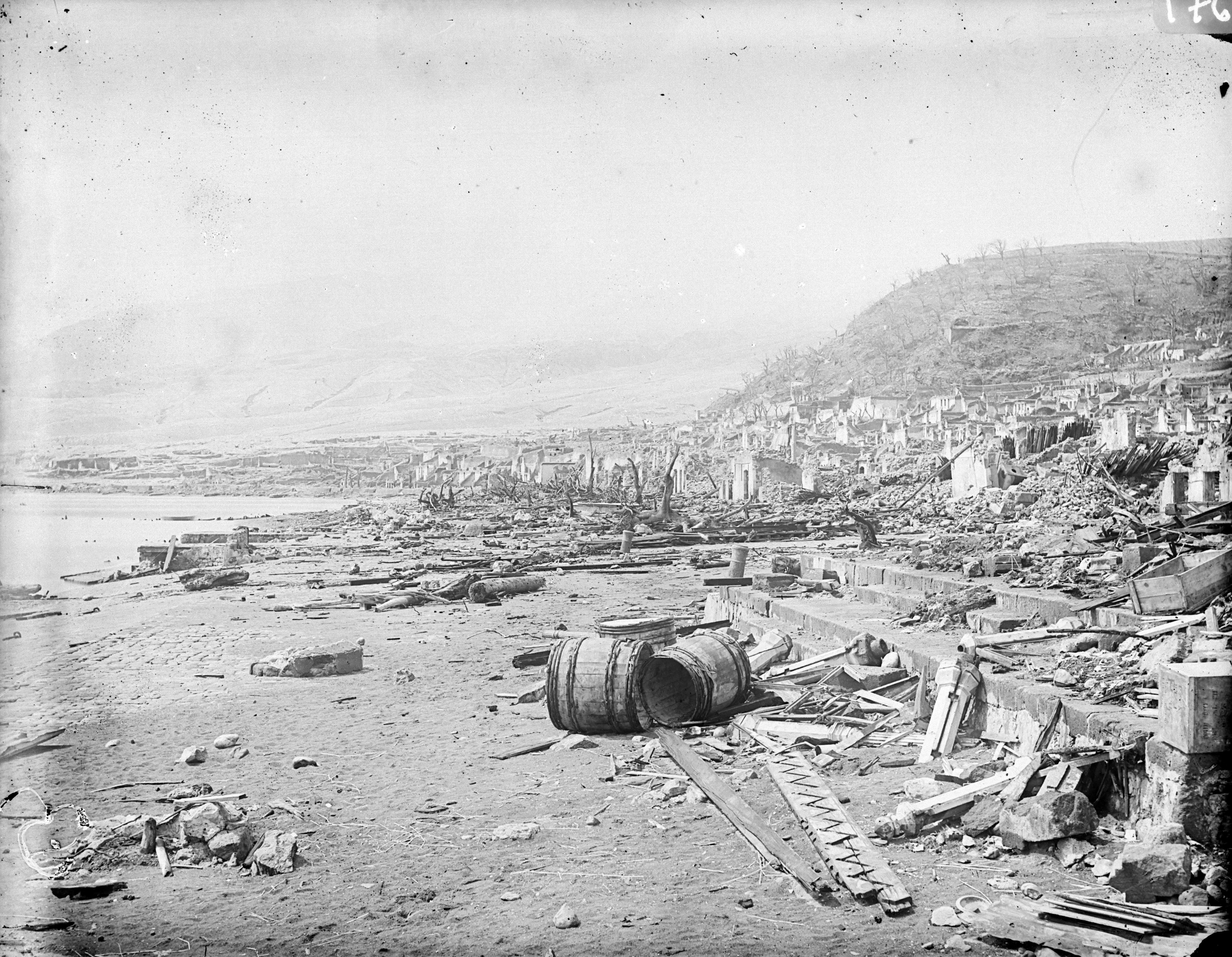
Saint-Pierre in the aftermath of the disaster of May 8, 1902 (archival image from the city of Saint-Pierre / archive image / DR)
Saint-Pierre, nicknamed the Little Paris of the Antilles until that tragic day in May, the self-proclaimed economic and cultural capital, was no more. Among the missing were the sailors and passengers of the ships who had been forbidden to leave the island despite the impending disaster. François-Marius Fanton's vessel was incredibly lucky.
Upon arrival at the port of Bercy, our batch of rum was stored for a time in the cellars before being officially bottled between 1904 and 1906 by the M. Fanton & Fils company. One can imagine that the timing of events might have benefited the release of the rum, a survivor of the deadliest volcanic eruption of the 20th century. But was the rum ever even sold? No records confirm this.
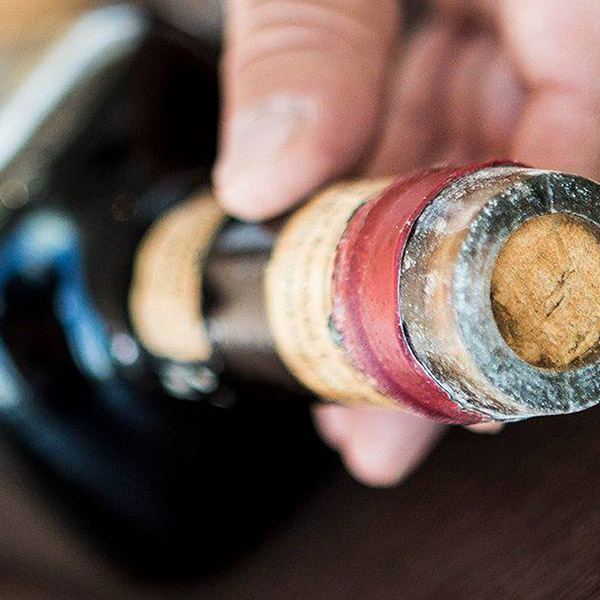
It wasn't until the 1990s that Madinina 1895 rum was rediscovered. In July 1993, to be precise, the descendants of Michel Fanton unearthed these slumbering beauties in a cellar adjoining the Fanton family's cellars at 5 Cour Louis Proust in Bercy (Paris). The bottles, stored upright in a dark, humid room with an earthen floor, have lost none of their splendor: the blown glass, encrusted with dust, has withstood the ravages of time. The engraved capsules are still intact, as are the corks. And more than 120 years have changed nothing. Only the labels, though kept separately in a rack, have succumbed to the elements, eaten away by humidity and rodents.
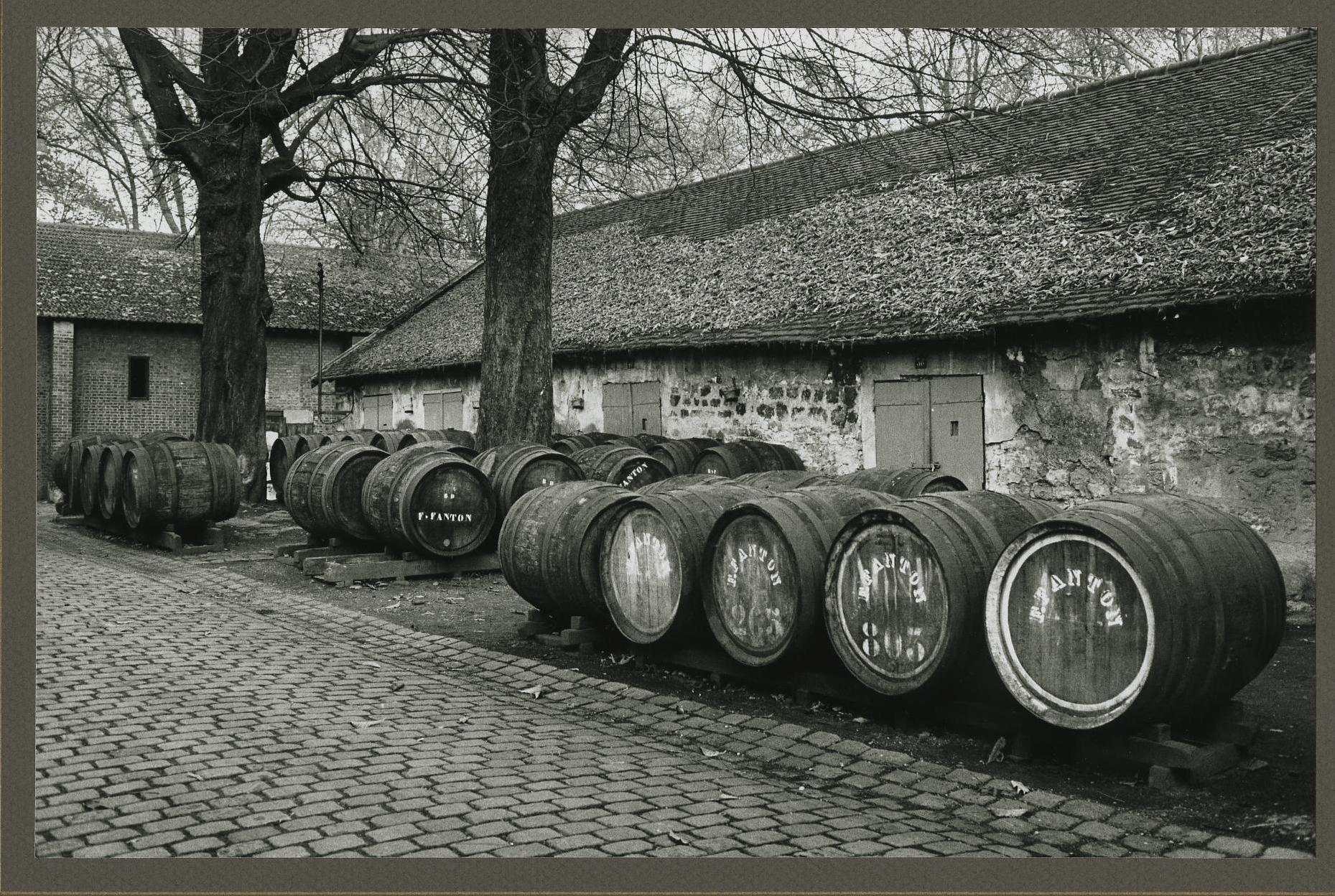
Warehouse of the F. Fanton company, wine merchant. Photograph by Gérard Lemeunier from a 24x36 negative © ARDI Photographies, 1984, Caen
More than a decade later, the original bottles are being sold, with the exception of the labels, which have been reproduced exactly. Nestled comfortably in a wooden case, the bottles rest on a bed of gray moss reminiscent of volcanic ash. In December 1995, François Fanton declared, "This minor imperfection must be forgiven. It has been the guardian of your next pleasure for so long!"
Finally, let's acknowledge the remarkable achievement of Michel Fanton's great-grandsons, family archivists and amateur historians, who, beyond simply reviving this piece of history, each contributed in their own way to obtaining official recognition of the 1895 vintage, with the right to mention "1895" on the label. This authorization was granted, of course, upon presentation of evidence, by the relevant department of the Brigade for the Control of Wines and Spirits with Appellations of Origin.
As a bonus, we share the tasting notes of Jean-Michel Deluc, head sommelier of the Ritz at the time, dated April 28, 1995:
Amber color, green-orange gold. A fine, delicate nose. Aromas of sugarcane, vanilla, stone fruit, prune, dried apricots, dried fruit – raw, dry, peppery, with a licorice finish – rich, still ethereal.
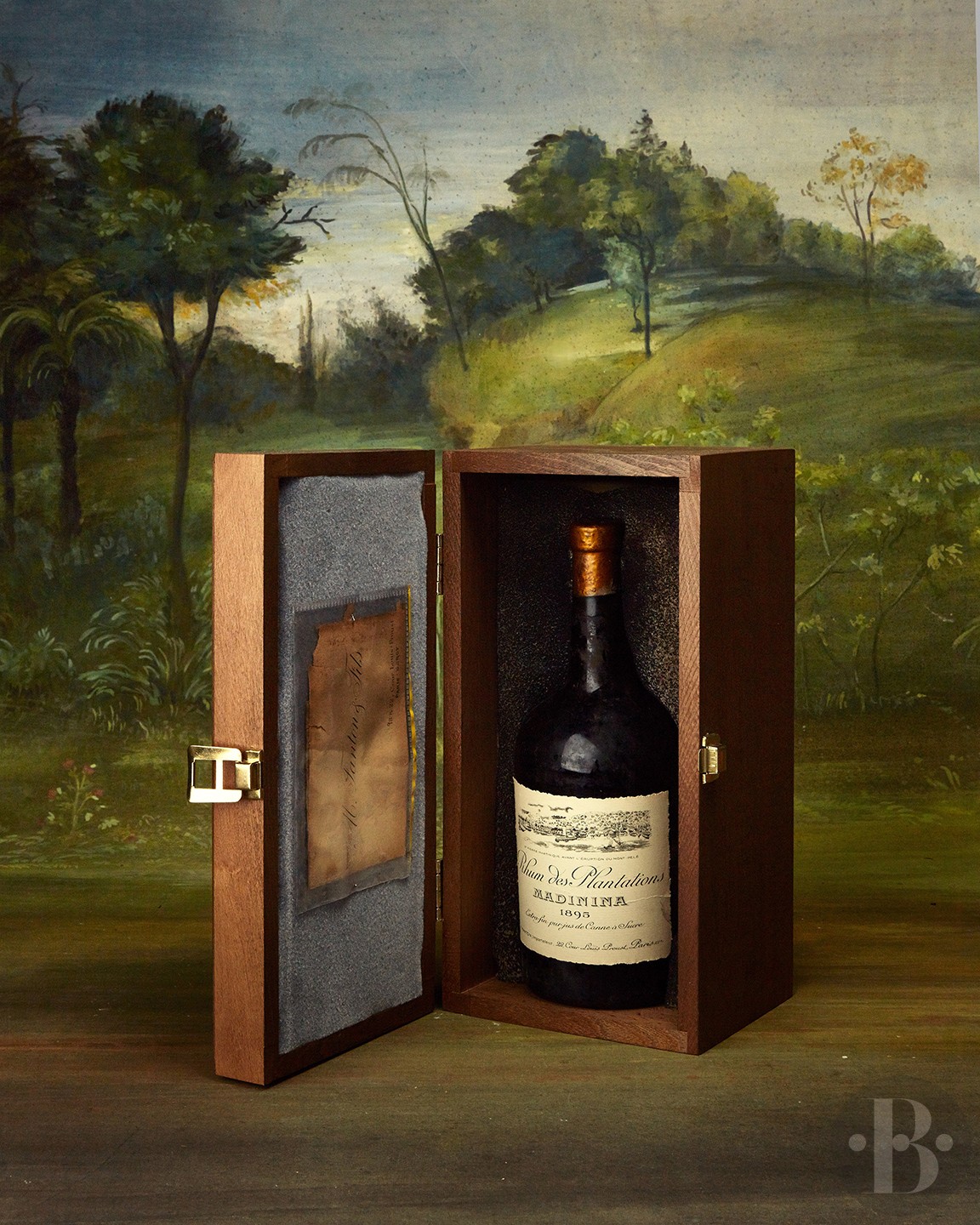
Photo © Bagherawines Auction LOT163 du 06/12/2020
.png)
.png)
.png)
.png)
.png)
.png)