

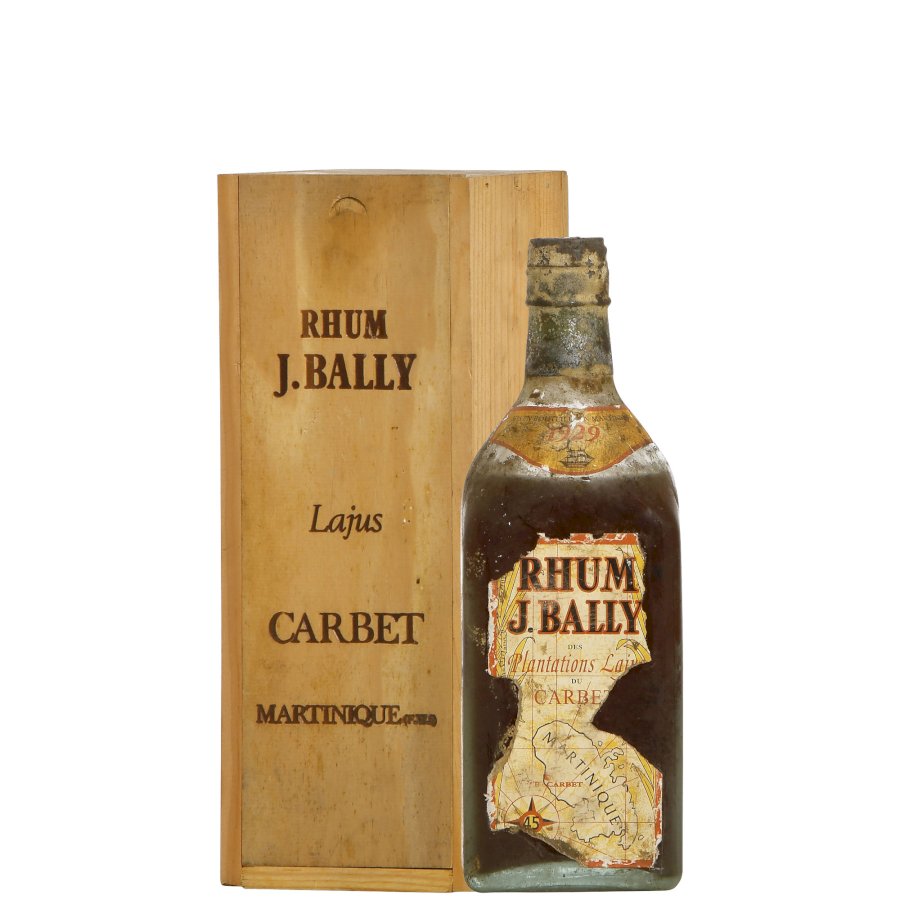
J.Bally
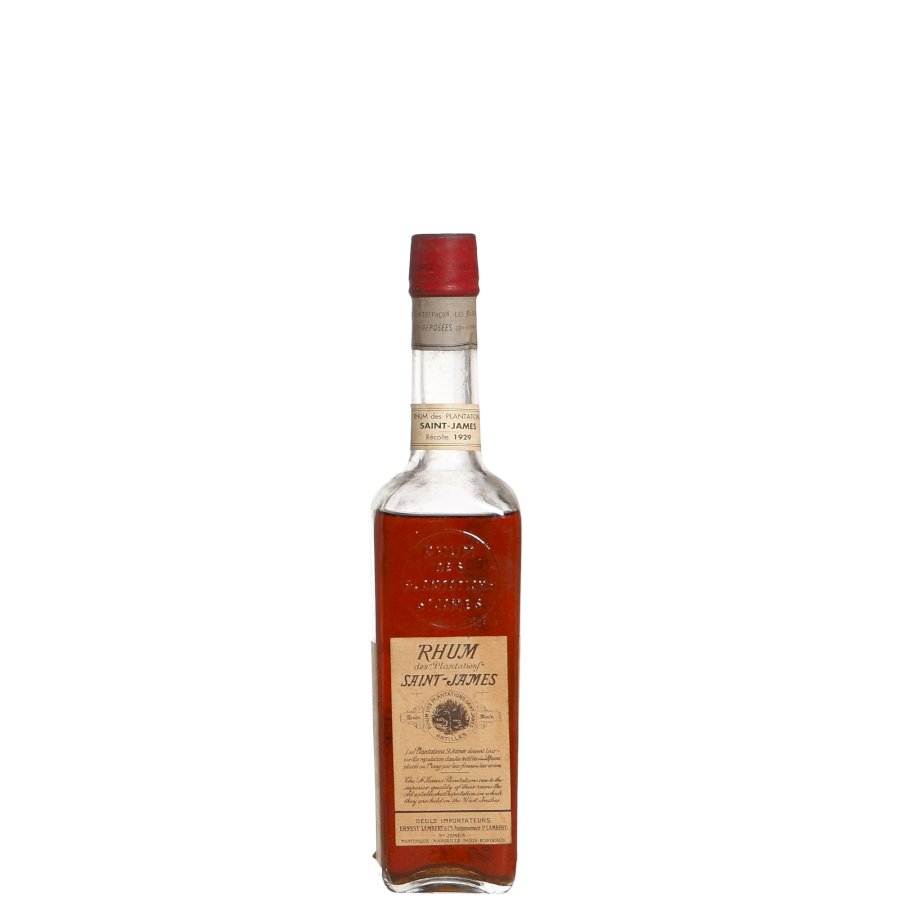
Bally 1929
75cl / 45°
€2,919.00

The captains of the time were Ernest Lambert, Jacques Bally and Victor Depaz. They manage three of the most renowned Martinique houses which still exist today.
In this year 1929, while Saint-James was already well established in the rum landscape (they have been distilling since 1765), its two colleagues arrived later in the game, but almost at the same time: Victor Depaz (born in 1886) bought the Domaine de la Montagne in 1917, abandoned since the eruption, then created its distillery in the early 1920s, while Jacques Bally (born November 22, 1885 in Fort-de-France) bought Habitation Lajus in 1918 and also launched into rum in 1923, time to also build a distillery.
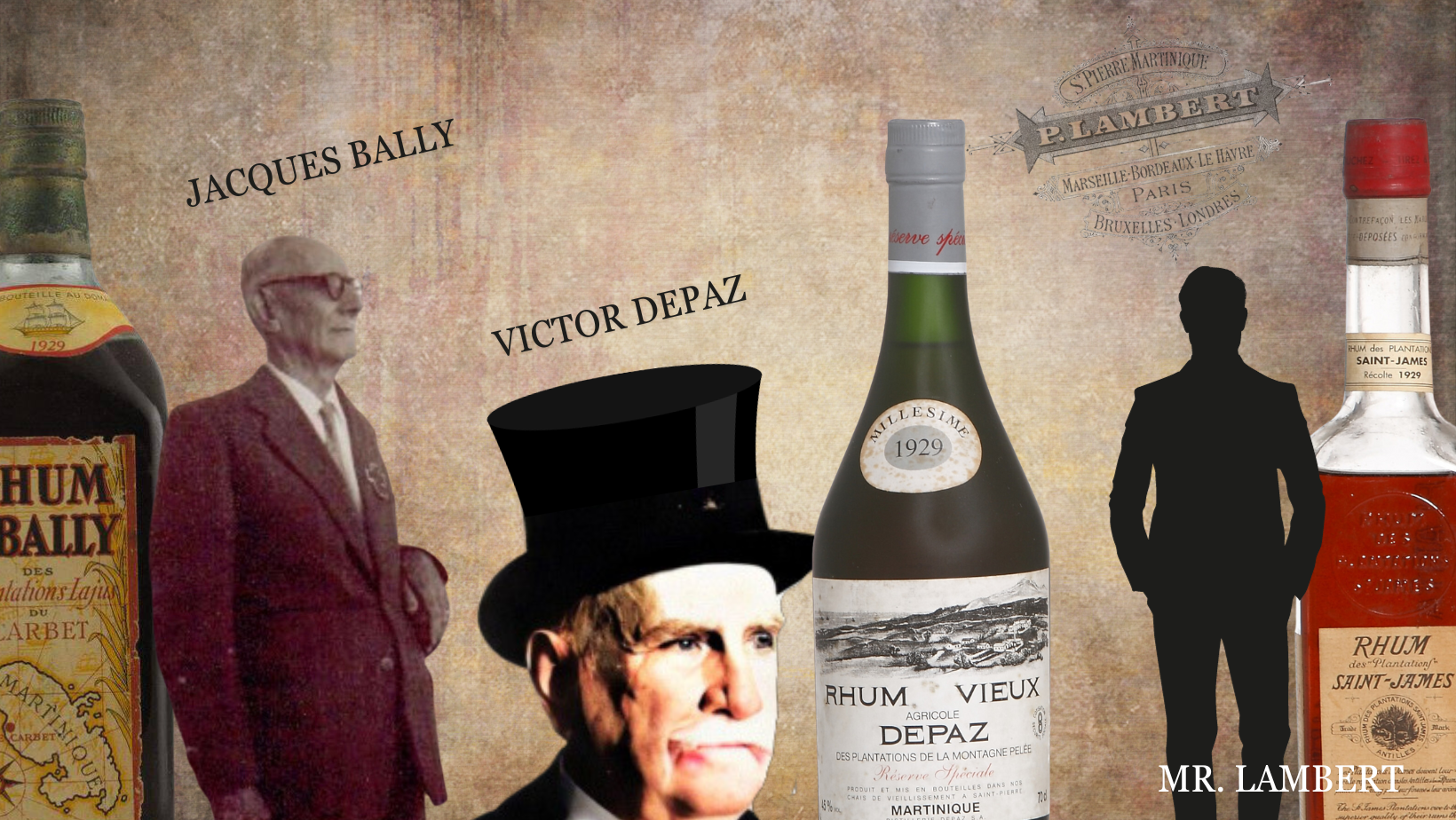
The story of Victor Depaz is a lesson in life: he was a student in Bordeaux when the eruption of Mount Pelée occurred on May 8, 1902, which decimated his entire family and the distillery where his father worked (Habitation Périnelle). Orphaned at 16 and broke, he set out to settle in Canada but finally decided to return to Saint-Pierre sur l'Habitation where he was born and, fifteen later, set up his distillery and began the production of rum.
Jacques Bally was still yesterday employed at the Dariste factory located in Carbet, where a distillery had already been producing rum since the 4th quarter of the 19th century (and until 1920). He acquired it the same year as Habitation Lajus (1918) and transferred all the machinery in 1923. He perfected the newly acquired equipment until his distillery was finally ready after five years of work. .We are in 1923 and the rum adventure can then begin for him too... in 1925, he even expands by closing the loop: by acquiring new lands, those of Dariste.
Ernest Lambert for his part, born in Marseille in 1858, continued the saga begun by his father Paulin around 1845. He officially entered the game with his brother Eugène in 1882, at the time when they filed for commercial court of Marseille the trade mark Rhum des Plantations Saint James. The following year, in 1882, the marketing of Saint-James rums began. He therefore already has some experience on his side, and the mr. was even named in 1931, excuse me, Commander of the Legion of Honor as vice-president of the Union of Distillers of France and the Colonies.
.jpg)
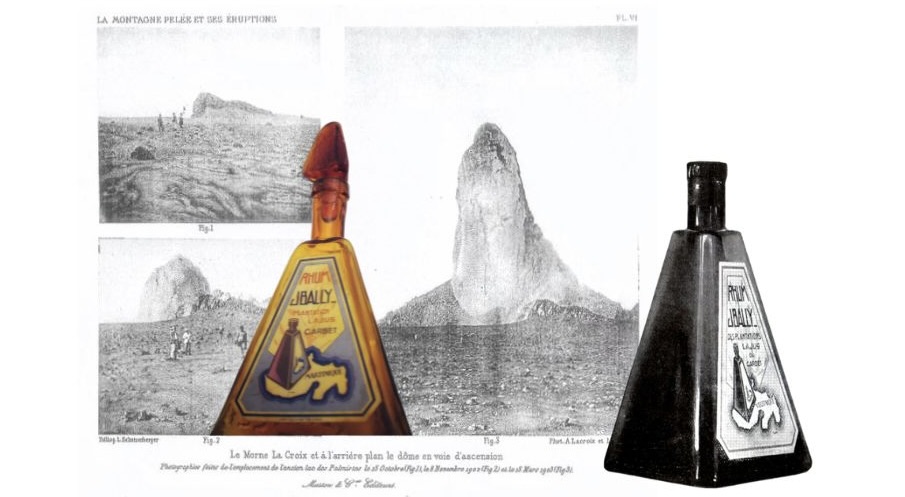
Ironically, the three vintages of 1929 which bring us to this moment all have something in common with the catastrophe of 1902. They in fact all three have the particularity of having been distilled in the year of a new eruption of the Pelée mountain, which occurred precisely on the night of September 16, 1929. Already, on August 23, we noted an increase in the activity of the volcano's fumaroles...
In its edition at the time, France Antilles wrote: "It was around 10 p.m. on Monday September 16, 1929 when a detonation surprised the Pierrotins who had bet on rebuilding the martyred city. The Pelée crater had just vomited a large column composed of vapors and ashes. 27 years later, the volcano woke up rumbling and smoking."
Chance or coincidence, a week earlier, to the day (09/09 1929), little Claude Nougaro was born in Toulouse. Was it in honor of this noble vintage that he sang, almost half a century later (1978), “ah, you will see, you will see, everything will start again, you will see, you will see”? No official source can attest to this, but he probably wouldn't have spit on a sample.
The same goes for little Jacques Brel who lets out his first cry (was it already melodious?) on April 8 of the year of our vintages. Would his “Plats Pays” really be Belgian-inspired? And his “We forget nothing”, and “the city fell asleep”?
“The city fell asleep, I forget the name, On the river upstream, A corner of the sky burned, The city fell asleep, I forget the name, And the night gradually, And time stopped"
In any case, and more seriously, this Montagne Pelée will have given real ideas to some, one of which may be on your rum shelf:
It was in fact by taking inspiration from the dome of Mount Pelée during this second eruption that Jacques Bally would design the shape of the iconic pyramid bottle, which he would market during the years that followed.
Did he find the idea through a dream? Did he have a dream? In any case, it was also that year (or), on January 15 exactly, that the “not yet pastor” Martin Luther King was born in Atlanta….
What exactly do we know about these three 1929s?
That all three of them were distilled in the period between the two wars, where alongside the serious problems which would hit the years which followed (economic crisis at the beginning of the 1930s which would hit the whole of France hard, leading to poor sales and a fall of the stale price of rum, etc.), will still have been produced in a climate relatively conducive to business: it is a whole policy of importing, manufacturing and packaging which is strengthening.
And while rums are still almost exclusively purchased by merchants and are transported to the metropolis directly in barrels, where they bottle them to whoever wants (many of them already have their own blending brands), the sale of bottled rums became widespread (with bottling at the distillery) during the 1930s. In this little game, Ernest Lambert was several moves ahead…
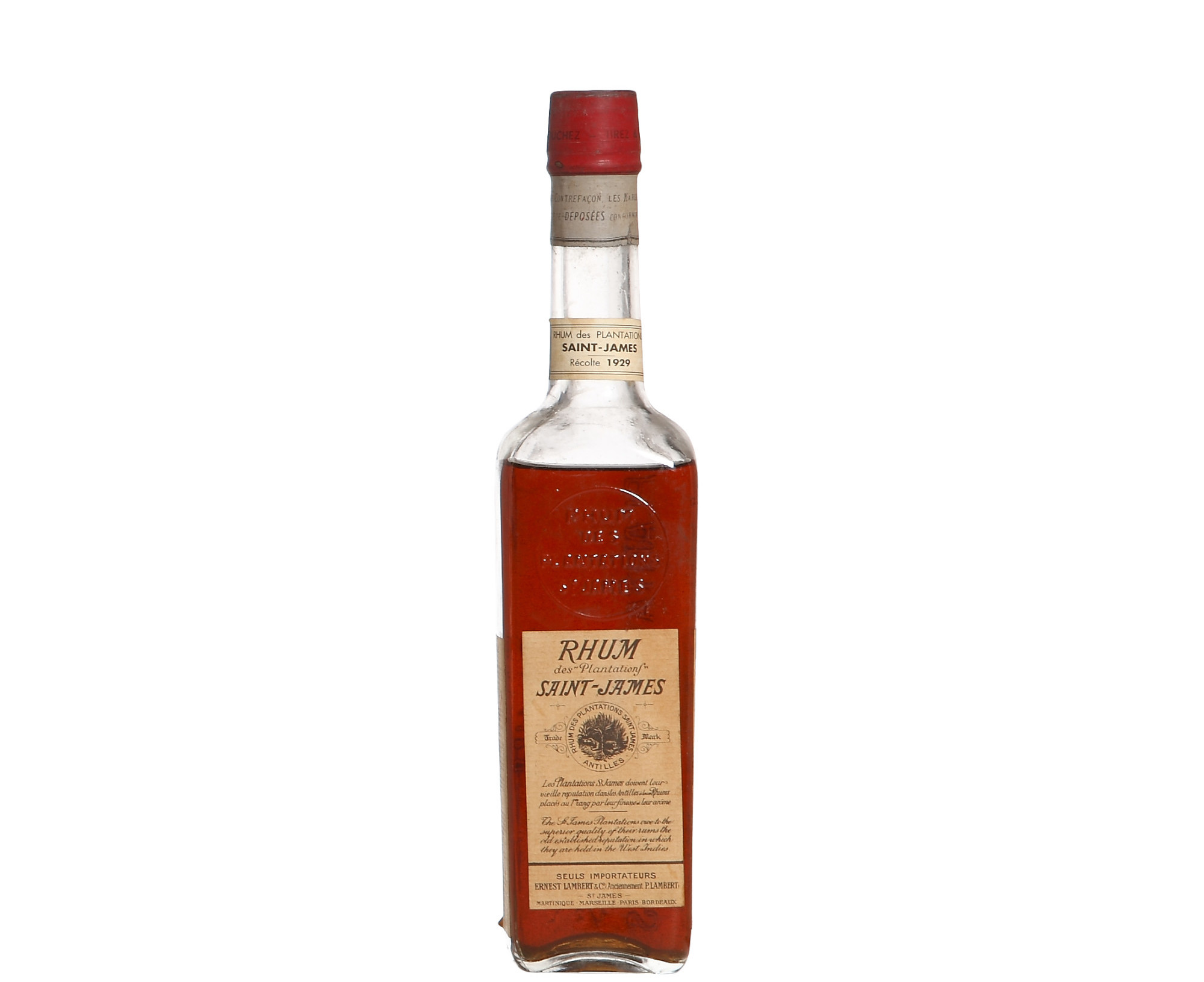
In 1929, Ernest Lambert even built a new distillery and his brand began producing vintages again. An example to follow for his colleagues, he has already established his rums in Europe and North Africa, has warehouses in Geneva, Amsterdam, Brussels, Hamburg, Genoa, Pasajes and Tunis, and is even expanding to distant horizons: Madagascar, China and especially French Indochina. In 1929, Saint-James had long been accustomed to the production of rum, but also to this mini 50 centiliter bottle format: created after 1910, this type of bottle would even predate the 70cl bottle. ; will follow a Saint-James puddle. We can thus see the whole runic family on advertisements from the 1930s.
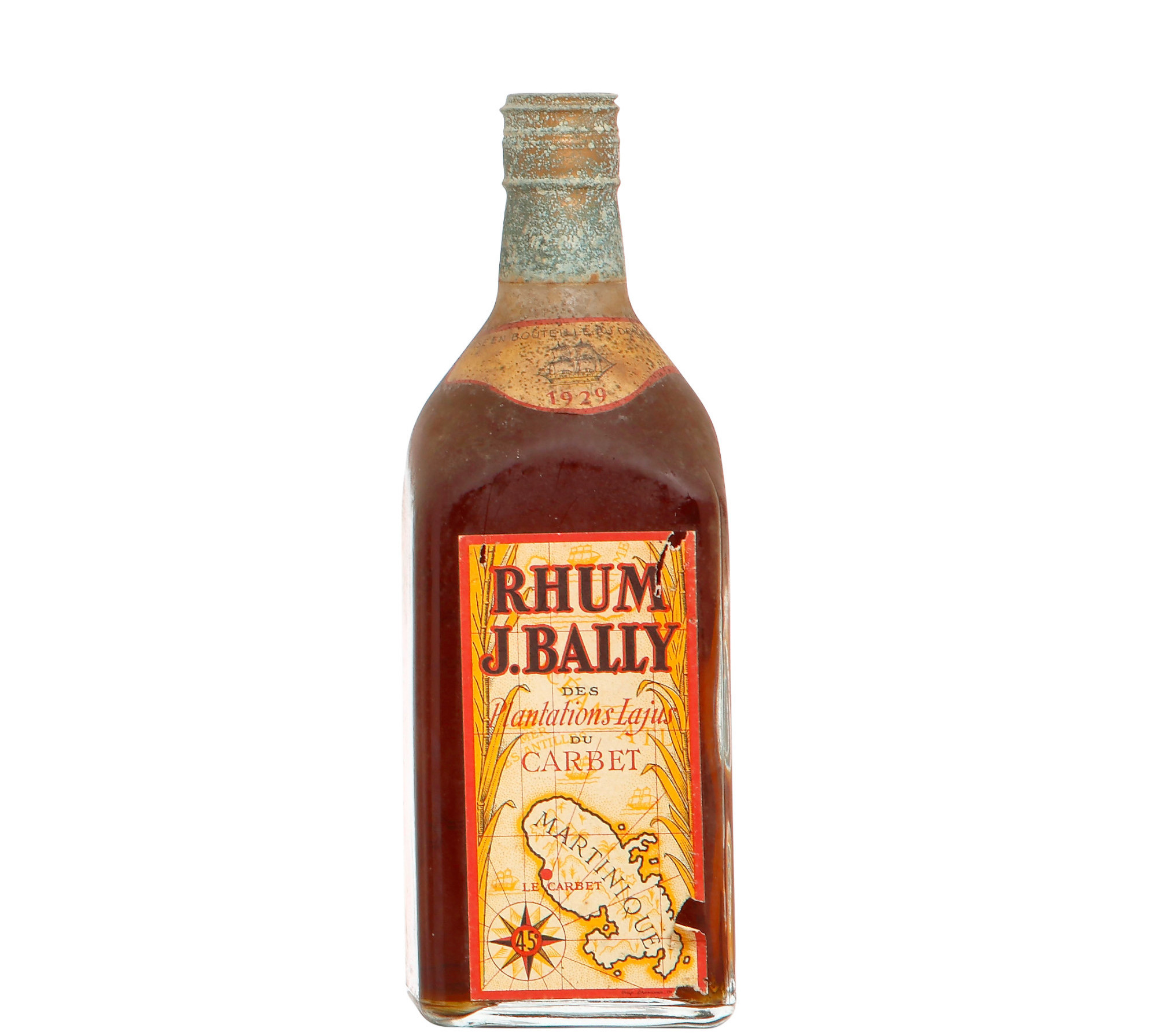
For Jacques Bally, this 1929 is his second historic vintage (after 1924) which he distills on the column that he himself adapted. This rum has the particularity of being aged in French oak barrels, and this is unique for the time: he is in fact the first (and still the only) to have introduced them into Martinique, the fruits of his travels in Cognac and Armagnac countries. The competition uses exclusively American oak barrels and has not failed to mock it for its vista. If they knew the number of barrels used today... different times, different customs.
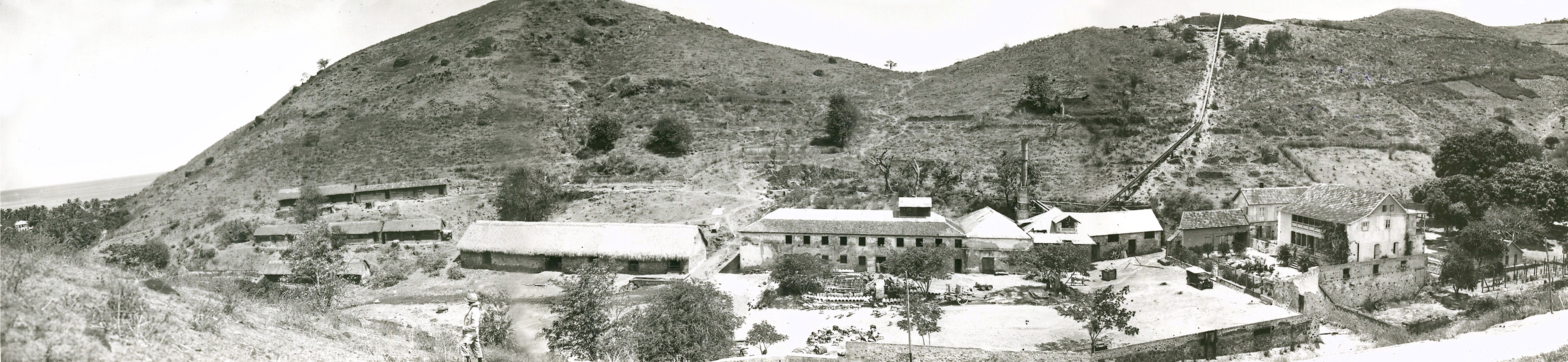
Here's a look at the Bally distillery around 1925-1930 (photo credit: Marc Sassier)
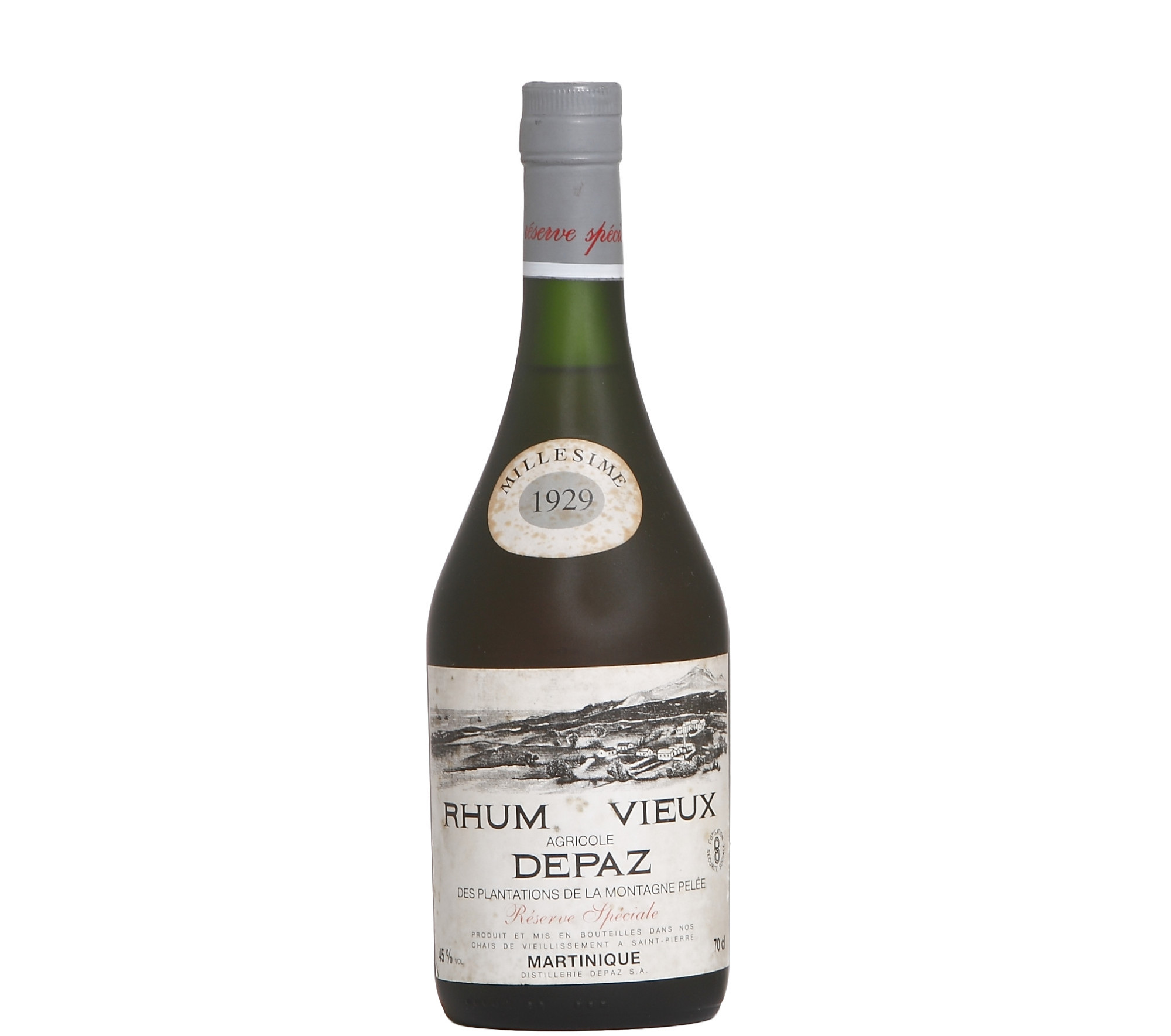
Victor Depaz, for his part, even if he has already been practicing for several years now, is releasing his first vintage (at least the first known). In this year 1929, he is particularly busy: he has undertaken to help with the reconstruction of the Cathedral of Notre Dame de l'Assomption, the work of which has just ended. A patron with a heart of gold. A few years later, he even began a political career, appointed mayor of Saint-Pierre by the government of Marshal Pétain, from February 24, 1941 to July 10, 1943, but that is another vintage story...
Depaz was also on the rise: in 1922 they obtained their very first medal at the Marseille exhibition. A new medal (in Gold) followed at the La Rochelle exhibition in 1927, then in 1931.
In the awards game, Saint James once again has a good lead, and Bally too if we take into account a period advertisement which mentions a gold medal in Roubaix in… 1911. Not bad for a distillery which has been smoking since 1923. The same advertisement, visible below (courtesy of Bally/Marc Sassier) also mentions a Diploma of Honor in Marseille in 1922 (still no rum flowing from Bally) and a Gran Prix in Paris in 1931 (Phew, honor is safe). More seriously, it is possible (but not verifiable, due to lack of archives) that Jacques Bally offered rums in anticipation, but undoubtedly bought from colleagues... Moreover, he was employed at the Dariste factory which was already producing rums.… but that’s another story to which we will come back in a (big) Bally theme :) (stay tuned). Hence the improbable medals which would then suddenly become very probable.
One thing is certain about this era: Jacques and Victor, but also a certain Charles Clément - who succeeded his father Homer in 1923 (well) - pulled out all the stops throughout this period. But this is another story…